
“Single blade razor” sounds simple. Then you start looking around and discover that it can mean several different things.
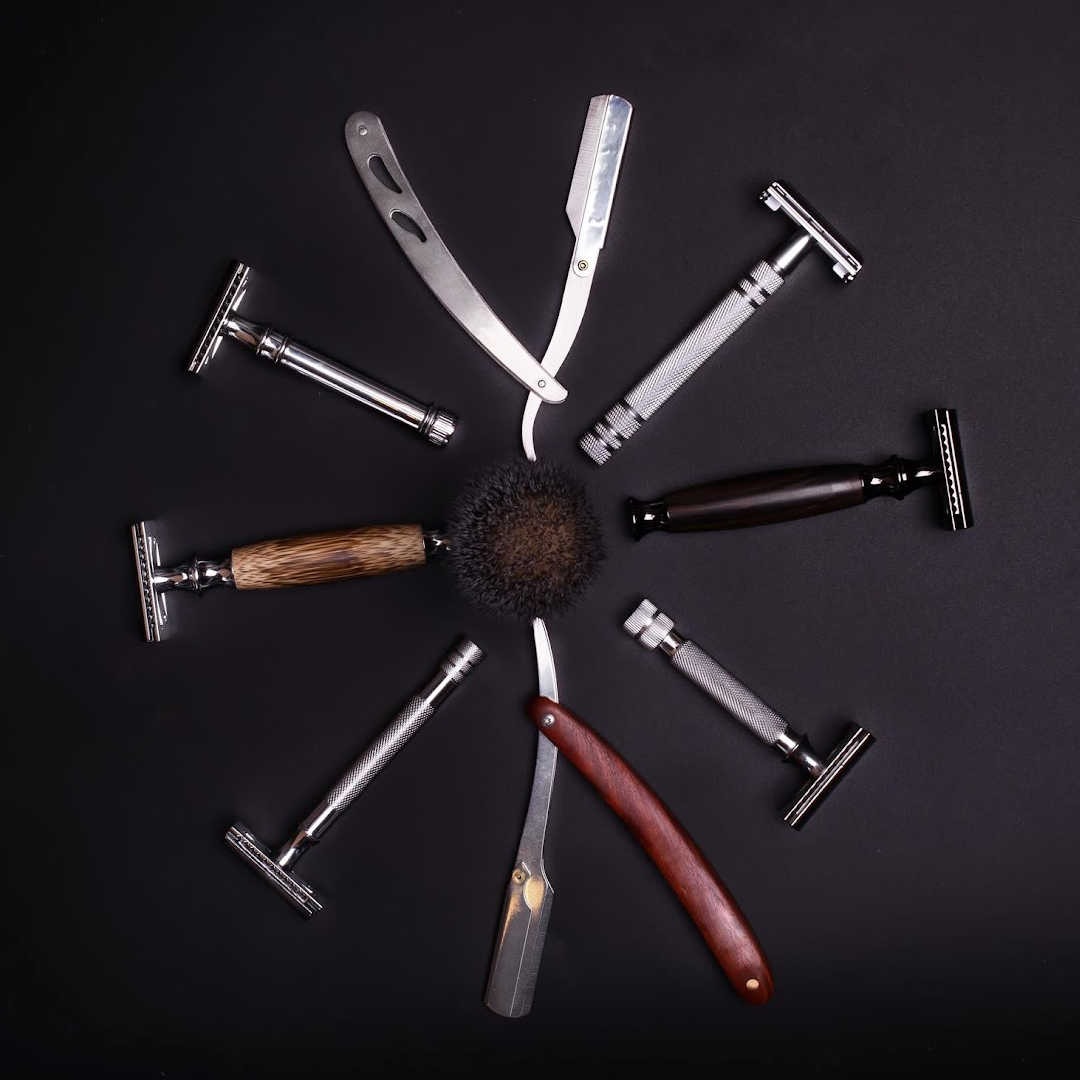
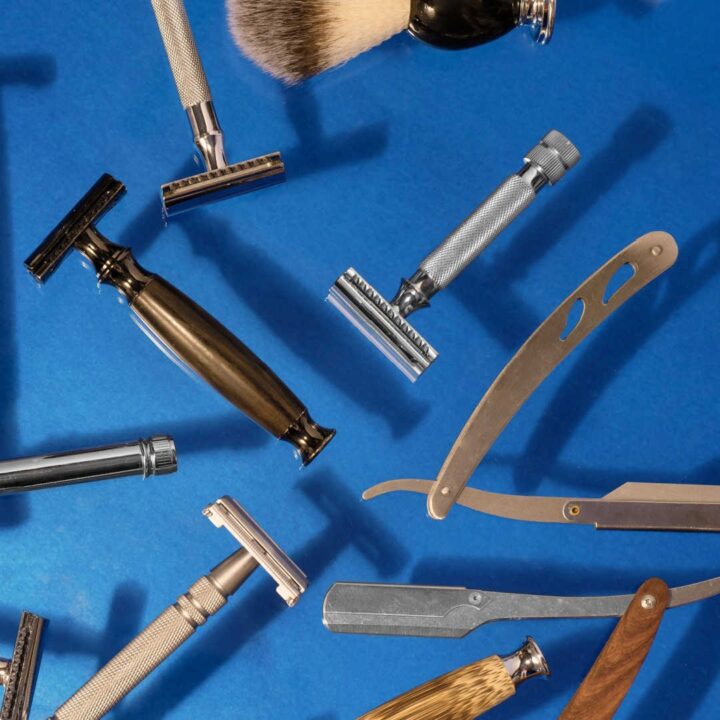
It might mean a double-edge safety razor. It might mean a single-edge razor, an injector razor, a straight razor, a shavette, or a modern pivoting single-blade design. It can also mean a cartridge-like razor with one cutting blade instead of several.
That confusion matters because many people are not only looking for a definition, they are trying to solve a problem. They may be tired of irritation, razor burn, razor bumps, ingrown hairs, clogged cartridges, high refill prices, or shaves that feel less controlled than they want.
A single blade razor can help with some of those problems. But the razor type matters, and the way you shave may matter even more.
Quick Answer
A single blade razor is any razor that uses one cutting edge against the skin instead of several blades stacked together (usually in a cartridge). It may help some shavers because fewer blades touch the skin during each stroke, which can reduce repeated blade contact and improve control.
A safety razor is often a single blade razor, but the category is broader than safety razors alone. It can include double-edge safety razors, single-edge razors, injector razors, straight razors, shavettes, pivoting single-blade razors, and some modern cartridge-like designs.
In This Guide
- What Is A Single Blade Razor?
- Types Of Single Blade Razors
- Single Blade Razor vs Multi-Blade Razor
- Why A Single Blade Razor May Help Irritation
- When A Single Blade Razor Does Not Help
- Who Should Consider Switching?
- When It Makes Sense To Wait Before Switching
- Common Misunderstandings
- Recommended Next Step
- FAQ
What Is A Single Blade Razor?
A single blade razor is any razor that presents one cutting edge to the skin during the shaving stroke. That is the main difference from a multi-blade cartridge, where several blades pass over the skin in succession.
The term is broad and does not describe one specific razor design.
A double-edge safety razor, for example, usually uses one edge of the blade at a time. The blade has two usable edges, but only one edge normally shaves during a stroke. That still makes it a single blade shave in practical use.
A single-edge razor is different. It uses a single-edge blade format or a head design built around one cutting edge.
This is why “single blade razor” and “safety razor” should not be treated as exact synonyms. Most traditional safety razors fit the category, but not every single-blade design is a double-edge safety razor.
So the question is not necessarily “Should I use one blade?” The better question is “Which kind of razor fits the way I shave?”
Types Of Single Blade Razors
The right choice of single blade razor depends on how much guidance, control, maintenance, blade choice, and learning curve you want.
Double-Edge (“DE”) Safety Razor
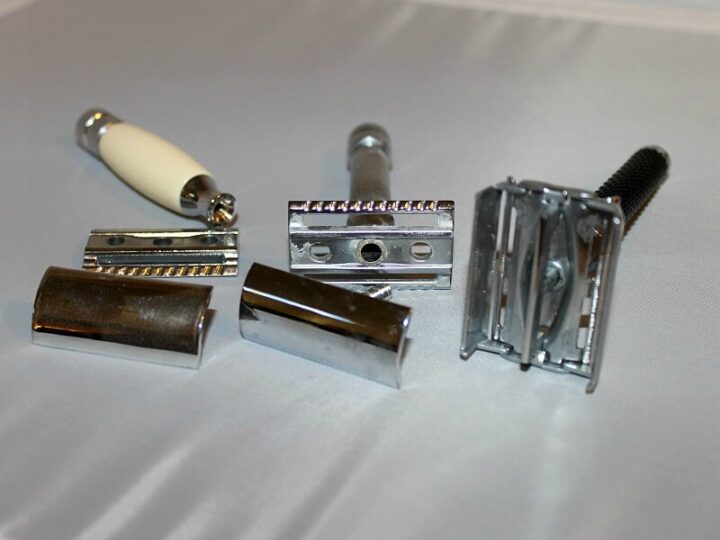
A double-edge safety razor is the most common traditional starting point. It uses a replaceable double-edge blade held in a fixed razor head.
Its main advantage is practicality. Blades are widely available, inexpensive, and easy to experiment with. A mild or moderate closed comb safety razor is often the easiest traditional starting point for a beginner.
The tradeoff is that a fixed head requires attention to angle and pressure. That can feel unfamiliar if you are coming from a pivoting cartridge, but it is also what gives the razor much of its control.
Best Fit: Someone who wants the most common traditional path, lower blade cost, broad blade choice, and room to improve technique.
May Not Be Best If: You want the razor head to guide the angle automatically or you don’t want a significant learning curve.
Single-Edge Safety Razor
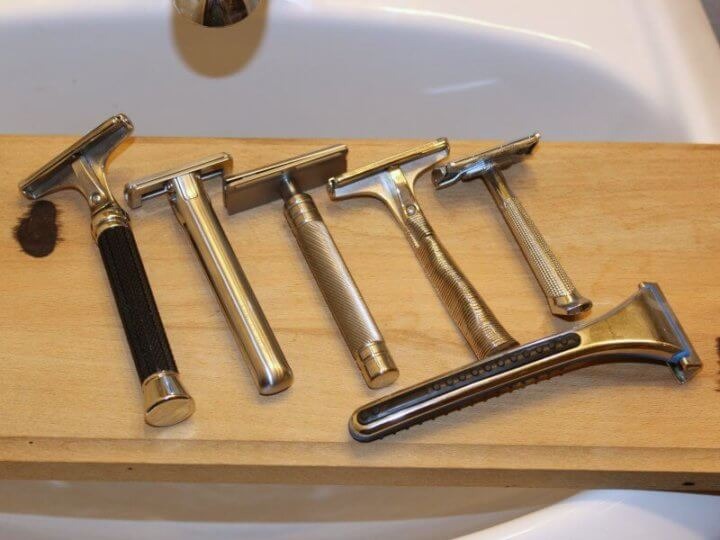
A single-edge safety razor uses one cutting edge, but the blade and head design may differ from a double-edge razor. Some single-edge razors use thicker or more rigid blade formats, and some use modern specialty designs. Some modern single-edge designs use half of a double-edge blade.
A single-edge razor can feel more rigid, direct, or blade-stable than a typical double-edge razor, depending on the design. It may appeal to shavers who already know what they like or don’t like about DE shaving.
Best Fit: Someone who has some shaving experience and wants a distinct feel beyond the standard DE safety razor path.
May Not Be Best If: You want the easiest blade availability, the broadest beginner support, or the lowest-friction starting point.
Injector Razor
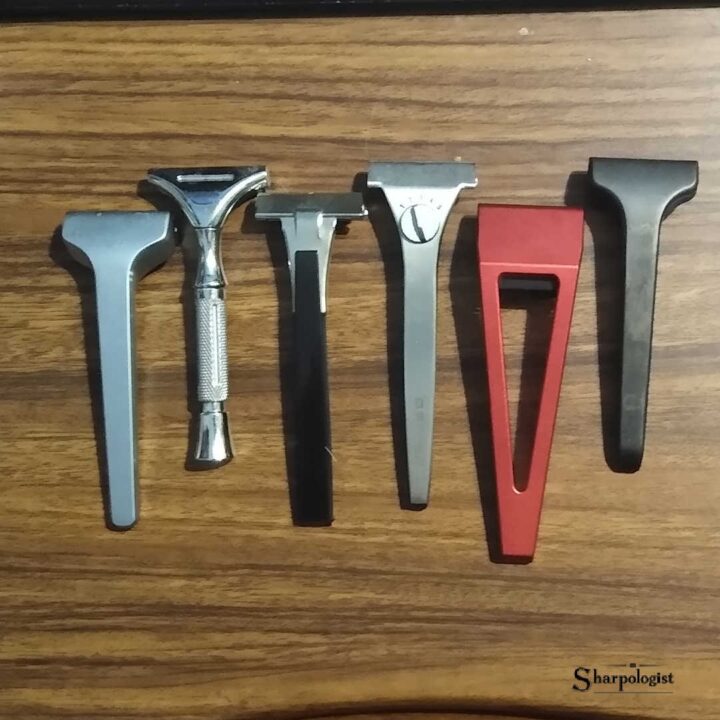
An injector razor is a single-edge style razor that uses a blade loaded from a magazine, or injector. It belongs in the single blade category because one cutting edge does the shaving.
The main reason to consider one is guidance. Many injector razors make the usable shaving angle feel more obvious than some double-edge safety razors. That can appeal to cartridge shavers who want one-blade shaving but feel nervous about fixed-head angle control.
The tradeoff is ecosystem size. Double-edge blades are easier to find, easier to sample, and more common among beginners. Injector razors can be excellent, but they are a more specialized path.
Best Fit: Someone who wants one-blade shaving with more built-in angle guidance than many DE razors.
May Not Be Best If: You want the widest blade selection, easiest availability, or most common beginner route.
For product recommendations, see Sharpologist’s guide to the best injector razors. For deeper background, read the history of the injector razor.
Straight Razor
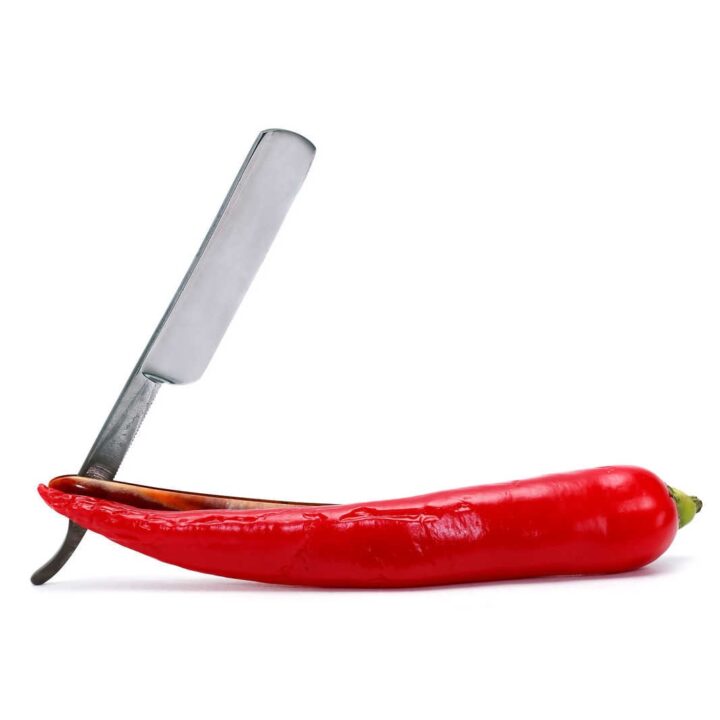
A straight razor is the traditional open-blade shaving tool. It belongs in the single blade category because one exposed edge does the cutting.
It offers maximum control, but it also has the highest learning curve and the most maintenance. Choose it because you want the ritual, skill, and long-term practice of straight razor shaving, not because you want the quickest fix for cartridge irritation, clogging, or refill cost.
Best Fit: Someone who wants ritual, skill, and full open-blade control.
May Not Be Best If: You want a quick, low-maintenance switch from cartridge shaving.
For a deeper beginner-focused guide, read Sharpologist’s article on the best straight razor for beginners.
Shavette (AKA Barber Straight)
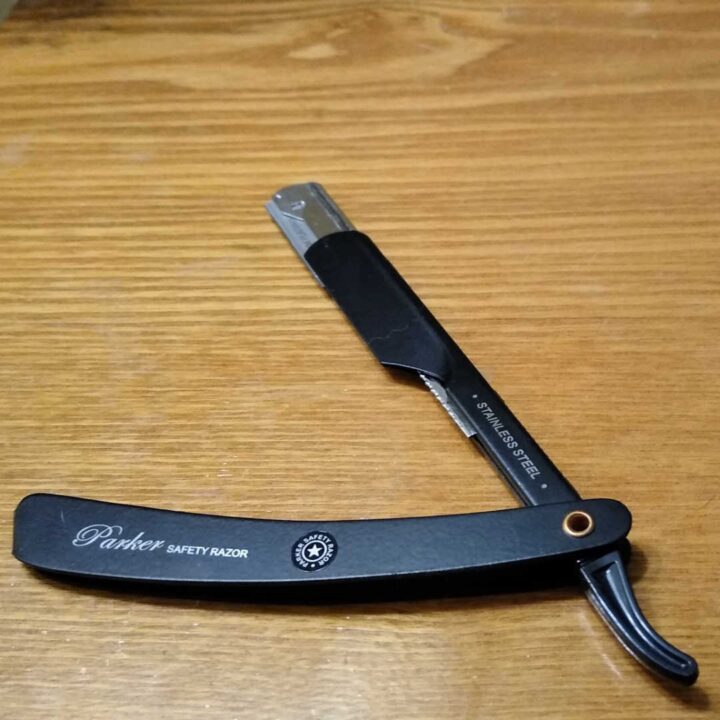
A shavette belongs in the single blade category, but it is a specialized open-blade option. It looks somewhat like a straight razor but uses replaceable blades.
For most readers, the key point is simple: a shavette removes stropping and honing, but it does not remove the handling demands of an exposed blade. It is usually not the easiest path for someone switching from cartridges.
If you are seriously comparing shavettes and straight razors, read Sharpologist’s full Shavette vs Straight Razor comparison.
Pivoting Single-Blade Razor
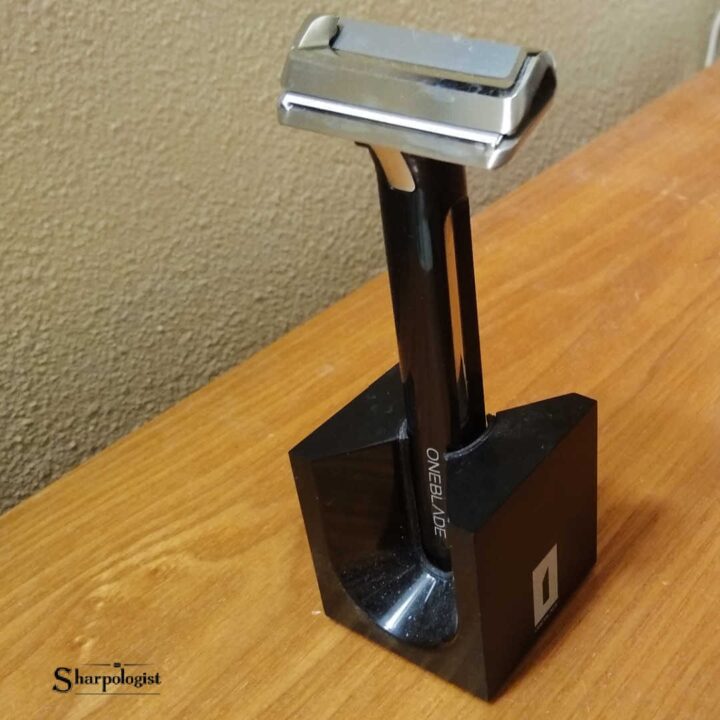
A pivoting-head single-blade razor tries to combine single-blade shaving with a more familiar cartridge-like feel. The pivot can make the razor less intimidating for someone who is nervous about a fixed-head safety razor.
This path is less about traditional wet shaving and more about lowering blade count while preserving familiar shaving behavior. The tradeoff is that you may not get the same blade economy, blade variety, or technique control that many shavers want from a DE safety razor.
Best Fit: Someone who wants fewer blades with a familiar pivoting feel.
May Not Be Best If: You want the full traditional safety razor experience, the lowest blade cost, or maximum blade choice.
For more on that specific category, see Sharpologist’s article on single blade razors with a pivot.
Single-Blade Cartridge Designs
Some modern razors use one blade in a cartridge format. These are for people who want fewer blades without changing the entire shave routine.
It’s a legitimate preference. Not everyone wants traditional wet shaving, blade samplers, fixed-head technique, or a new lather routine. Some simply want one blade, a familiar handle, and less disruption.
Best Fit: Someone who wants fewer blades with minimal routine change.
May Not Be Best If: You want traditional wet shaving, broad blade choice, low long-term blade cost, or a more skill-based shave.
Quick Decision Summary
- Choose a mild or moderate double-edge safety razor if you want the easiest traditional start.
- Consider a pivoting single-blade razor if you want fewer blades with a familiar feel.
- Consider an injector if you want more built-in angle guidance.
- Consider a straight razor only if you want ritual, skill, and maintenance.
- Treat shavettes as a specialized open-blade path, not as a beginner shortcut.
- Consider cartridge-like single-blade designs if you want fewer blades with minimal routine change.
Ready To Choose A Traditional Single Blade Razor?
If you already know you want a safety razor, the next step is choosing one that fits your beard, skin, and tolerance for blade feel. Start with our Best Safety Razor Guide before choosing only by price, popularity, or appearance.
Single Blade Razor vs Multi-Blade Razor
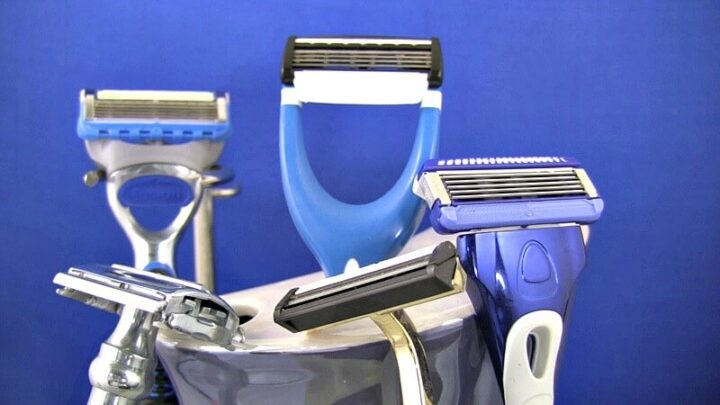
A multi-blade cartridge stacks several cutting edges in one head, while a single blade razor puts one cutting edge against the skin at a time. In short:
- Multi-blade cartridges emphasize convenience, speed, and built-in guidance.
- Traditional single blade razors emphasize control, lower blade cost, and reduced repeated blade contact.
- Pivoting single-blade razors sit somewhere between those two ideas.
If you are specifically deciding between a traditional safety razor and a cartridge razor, read Sharpologist’s full Safety Razor vs Cartridge Razor comparison.
Why A Single Blade Razor May Help Irritation
A single blade razor may help irritation because it can reduce repeated blade contact during each stroke. If your skin often feels scraped, hot, or overworked after shaving with a cartridge, or if you often deal with razor burn, fewer blades can reduce one source of that stress.
That doesn’t mean one blade fixes every irritation problem. It means the razor may reduce one source of stress on the skin.
Irritation usually does not come from one simple cause. It often comes from several small stresses adding up: blade contact, pressure, repeated strokes, weak lather, poor angle, and too many passes.
A multi-blade cartridge sends several cutting edges over the same area in one stroke. That can work well for some shavers, but it can also increase scraping when the skin is already sensitive, the shave is rushed, or the same area gets shaved repeatedly.
A single-blade razor uses one cutting edge at a time, so each stroke creates less repeated contact than a stacked cartridge.
Fewer blades can reduce repeated blade contact, but they can’t protect the skin from every other shaving stress. If a person switches to a safety razor but keeps pressing hard, repeats strokes over the same area, uses a poor angle, or shaves over weak lather, irritation can continue.
That doesn’t mean the switch failed. But it may mean the razor is revealing habits that the old cartridge hid.
Key Point: A single-blade razor can reduce one source of irritation, but it still needs light pressure, a workable angle, protective lather with enough glide, and a sensible pass strategy around it.
For a deeper explanation of the broader irritation mechanism, see Sharpologist’s article on why shaving causes irritation.
When A Single Blade Razor May Not Help
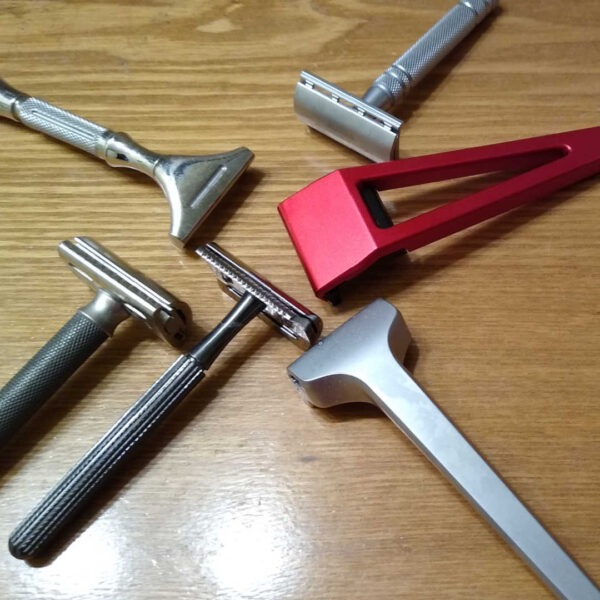
A single blade razor will not fix irritation if pressure, angle, lather, or pass strategy remain poor. It can make a better shave easier to build, but it can’t make every bad habit disappear.
This is especially important for readers switching from cartridge razors. A cartridge often hides pressure and angle problems because the head pivots and the shave feels familiar. A fixed-head safety razor exposes those habits quickly.
A single blade razor may not help if:
- You keep pressing as if you are using a cartridge.
- You use the wrong angle for the razor head.
- You feel tug because the blade, angle, or prep does not match your beard.
- You chase perfect closeness with too many passes.
- You shave over weak or drying lather from shave cream, shaving soap, or foam that does not provide enough glide.
- You choose a razor that is too efficient for your skin and experience.
- You change the razor, blade, soap, brush, and routine all at once.
- You judge the switch after one shave instead of giving yourself a short adjustment period.
If several of those problems apply, the razor may still be useful, but it should not be the only change you evaluate.
When you switch, change as few variables as possible at first. Keep the rest of the routine familiar where you can. Then judge the result after several shaves, not after one attempt.
Who Should Consider Switching?
A single blade razor is worth considering when your current razor creates irritation, clogs easily, costs too much, or gives you too little control.
It may be worth exploring if:
- multi-blade cartridges leave your skin hot, scraped, or bumpy;
- your cartridge clogs with coarse hair, thicker stubble, heavy lather, or longer intervals between shaves;
- cartridge refills feel too expensive;
- you want more control over pressure, angle, blade choice, and pass strategy;
- you want to learn traditional wet shaving with a safety razor, brush, lather, and more deliberate routine.
When It Makes Sense To Wait Before Switching
You do not have to switch razors just because single blade shaving sounds appealing. If your current razor gives you comfortable, repeatable results, it is reasonable to be curious without feeling rushed.
This is a tool, not a requirement. It helps most when it matches a real problem in your shave.
You may want to wait if your current razor already works well, if you do not want a learning curve right now, or if your skin problem may not be mainly a razor problem. Persistent rash, severe bumps, infection, or unusual skin reactions may require medical or dermatological advice.
It may also make sense to wait if changing too many things at once would make results hard to read. If you change the razor, blade, soap, brush, prep, and pass routine all at once, you may not know what helped or hurt.
Common Misunderstandings About Single Blade Razors
Most confusion around single blade razors comes from treating blade count as the only variable in the shave. Blade count matters, but it doesn’t work alone.
“Single Blade Always Means Less Irritation”
A single blade razor can reduce repeated blade contact, but irritation depends on the whole shave. Pressure, angle, lather, pass strategy, blade choice, and razor design still matter.
“Single Blade Always Shaves Closer”
Closeness depends on more than blade count. Razor efficiency, angle, blade edge specifications, beard prep, pressure, and pass strategy all affect how close the shave gets. Some single blade razors shave very close. Others are intentionally mild.
“Safety Razor And Single Blade Razor Mean The Same Thing”
A safety razor is often a single blade razor, but the terms are not identical. “Single blade razor” is the broader category. That broader category can include safety razors, single-edge razors, injector razors, straight razors, shavettes, and some pivoting or cartridge-like designs.
“A New Razor Will Reset The Whole Shave”
A new razor can change blade contact, control, and feedback. It cannot reset every part of the shave. If you switch razors and also change blades, soap, brush, pressure, pass count, and prep at the same time, you may not know what actually helped or hurt.
Recommended Next Step
Your next step depends on whether you are choosing a razor, learning technique, solving irritation, or comparing shaving tools.
Use the article this way:
- First traditional razor: Best Safety Razor
- Learn the method: How To Shave With A Safety Razor
- Compare systems: Safety Razor vs Cartridge Razor
- Understand irritation: Why Shaving Causes Irritation
- Fix harshness: Why Excess Pressure Causes Shaving Problems
- Understand angle: What Shaving Angle Means
- Understand razor design: How Razor Design Influences Blade Feel And Behavior
- Understand efficiency: What Razor Efficiency Means
- Keep a pivoting feel: Single Blade Razors With A Pivot
- Explore injectors: Best Injector Razor
- Compare open-blade options: Shavette vs Straight Razor
The goal is not to buy the most highly praised razor immediately. The goal is to understand what problem you are solving and choose a sensible razor type.
FAQ
Is A Safety Razor A Single Blade Razor?
Usually, yes. Most traditional safety razors use one cutting edge against the skin during the shaving stroke. A double-edge safety razor uses a blade with two usable edges, but only one edge normally shaves at a time.
Is A Single Blade Razor Better Than A Multi-Blade Razor?
It depends on the shaver and the problem being solved. A single blade razor can reduce repeated blade contact and improve control, but it is not automatically better for every face.
Is A Single Blade Razor Better For Sensitive Skin?
It may help sensitive skin if repeated blade contact is part of the irritation problem. But sensitive skin still reacts to pressure, poor angle, too many passes, weak lather, and harsh products.
Can A Single Blade Razor Help With Ingrown Hairs?
It may help some shavers by reducing repeated blade contact and limiting overly close cutting. It is not a guaranteed fix. Hair type, shaving direction, pressure, closeness, and skin response all matter.
Does A Single Blade Razor Shave As Close?
A single blade razor can give a close shave, but closeness depends on razor efficiency, blade choice, angle, pressure, and pass strategy.
What Is The Best Type Of Single Blade Razor For Beginners?
For most beginners interested in traditional wet shaving, a mild or moderate double-edge safety razor is the best starting point. It offers good control, low blade cost, and a manageable learning curve.
What Is The Difference Between A Single Blade Razor And A Single-Edge Razor?
A single blade razor is the broad category. A single-edge razor is a specific type of single blade razor that uses a single-edge blade format or head design.
