
There is a moment in nearly every shave when everything feels finished.
The result is close enough. The skin feels calm. The shave has gone well. And then one small area catches your attention: a faint patch along the jaw, a spot under the chin. Something that feels like it could be cleaned up with almost no effort.
That moment feels harmless. It rarely is.
The Most Innocent Moment in the Shave
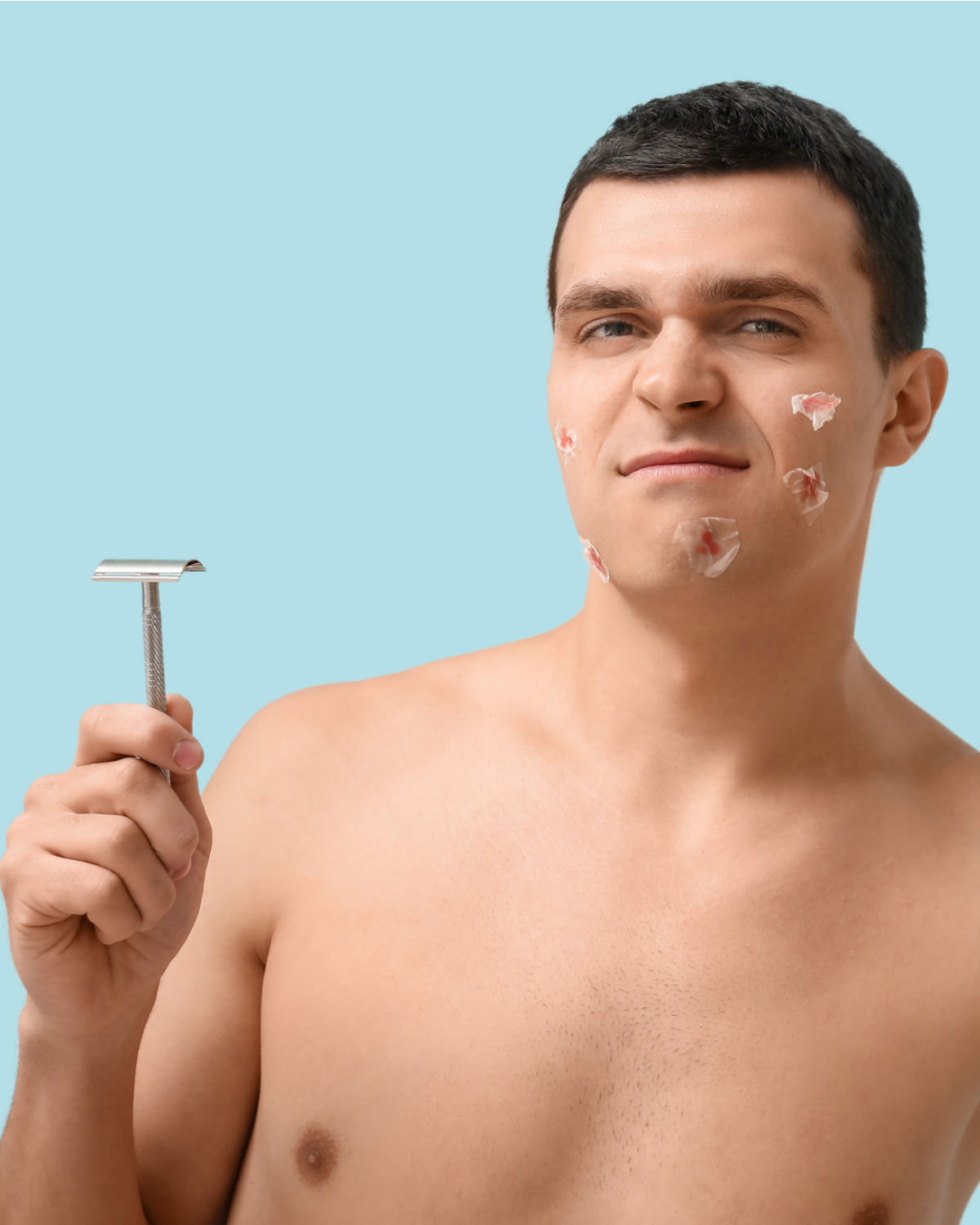
Touch-ups do not feel like passes.
They feel like cleanup.
The shave is already a success. The shave products are familiar and the shave terrain is well-known. There’s no sense of risk. In fact, touch-ups often feel like restraint. A small adjustment instead of another full pass.
Because of that, they rarely register as decisions. They feel automatic. Almost incidental.
I’ve caught myself doing this too, even after years of shaving.
That’s what makes them dangerous.
Why Touch-Ups Don’t Register as Risk
Early in the shave, every action feels deliberate: angle is considered, pressure is monitored, skin feedback matters. There is attention in each stroke.
Touch-ups happen after that vigilance has done its job.
By the time the shave reaches the refinement stage, the brain has already labeled the task as complete. What remains feels cosmetic, not structural. Small, not consequential.
But what doesn’t feel like risk often carries the least margin.
Touch-ups compress several variables into a moment when awareness is already fading.
Decision Fatigue Arrives Late
Most shaves don’t break down at the beginning. They break down at the end.
Early passes benefit from fresh attention. Late passes are made under fatigue. Decisions happen faster. Corrections feel obvious rather than examined. The mind shifts from executing to finishing.
Touch-ups live in that transition.
They occur not when technique is poor but when judgment is tired. The shave still feels familiar and manageable. But the discipline that guided the first pass has subtly loosened. And it compounds quickly.
Familiarity doesn’t eliminate risk. It just makes risk harder to notice.
Boundary Creep in Familiar Territory
Touch-ups almost always happen in places that feel safe and familiar. But familiarity lowers caution. The feedback loop softens, not because nothing is happening, but because the brain expects it to be fine.
This is where small boundary crossings occur. Not as mistakes, but as assumptions.
Why Irritation Often Appears After, Not During
One reason touch-ups feel harmless is that they rarely announce themselves with immediate consequences.
There may be no obvious signal that anything went wrong. The shave ends smoothly. The result looks good.
The skin reacts later.
Irritation from touch-ups is cumulative. Each additional stroke removes a little more margin. Each revisit to the same area narrows tolerance. The cost does not appear in the moment. It shows up afterward.
This delayed feedback makes touch-ups easy to forget and difficult to blame.
Why We Remember the Result, Not the Moment
Shaves are remembered as outcomes, not sequences.
We remember whether the shave was good or bad. We remember how the skin felt an hour later. We may not remember the exact moment when restraint turned into refinement, and refinement turned into excess.
Touch-ups disappear in memory because they felt insignificant at the time.
When something goes wrong, the explanation can be vague. Something felt off. The shave just didn’t agree with me today. The specific moment where discipline softened is already gone.
The Most Dangerous Part of a Good Shave
Touch-ups are not mistakes. They are high-risk moments disguised as low-risk ones.
They occur when confidence is high, attention is low, and the shave already feels complete. They feel harmless because they arrive at the exact point when nothing seems to matter anymore.
Most shaves don’t unravel because of big errors. They unravel at the moment when the shave feels finished, but isn’t quite left alone.

I USED to pursue the BBS shave until I realized that the BBS shave is 2/3 BS! Regardless my face is sandpaper rough within 12 hours of shaving so what was I trying to achieve? I am not interested in Lazer hair removal on my face so chasing a baby butt smooth face is a waste of time. Recently I have adopted a 2 pass shave rule. Careful touch ups are allowed but also limited. If you love shaving fewer passes just means you can shave more often. A win, win in my books.
I used to be a perfectionist shaver but not any more. I don’t like getting cut. So I asked myself WHO am I shaving for, myself or someone I don’t even know! Since I stopped worrying about people feeling my face (oh you missed 3 hairs on your chin) I just shave GOOD ENOUGH! It’s not worth it
A very good point! I find myself doing this too often.