
Quick Answer:
Shaving pressure comes back because it evolves. As experience increases, pressure shifts from obvious force into subtle control inputs driven by confidence, efficiency goals, and muscle memory. The hand feels lighter, but margin quietly shrinks.
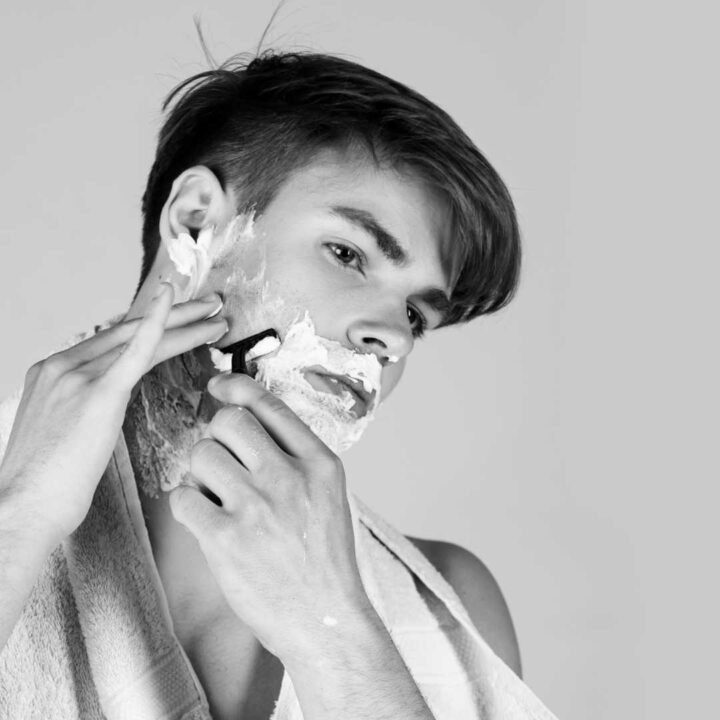
This article explains how pressure quietly returns as habits change, even when a shaver believes they have already solved it.
Pressure As A Second-Order Problem
A previous article explored pressure as the hidden cause behind many bad shaves, even when equipment and preparation seem dialed in. That discussion focused on identifying pressure before it’s consciously recognized. This article begins later in the shaving journey.
After pressure has been identified and consciously reduced, shaves usually improve. Comfort increases, confidence settles in, and the razor feels under control. Over time, though, irritation or inconsistency often returns. Not suddenly or dramatically, but quietly enough to raise a different question than before.
The issue at this stage is no longer whether pressure matters. It’s why pressure tends to reappear after it seemed to be resolved. The answer lies less in technique itself and more in how experience changes attention, goals, and the way control is applied during the shave.
How Shaving Pressure Changes With Experience
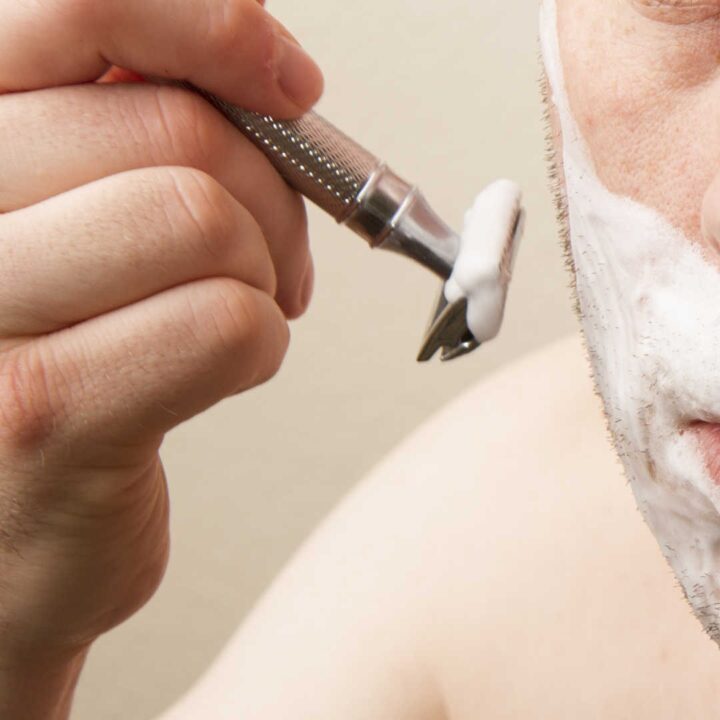
Early in the wet shaving learning curve, pressure is understood as an obvious force. Later, it becomes something subtler and more refined.
With greater familiarity, smaller inputs are used to guide the razor. Angle is stabilized, efficiency subtly encouraged, and closeness refined. None of this feels like pressing, but each adjustment still increases blade engagement, especially for shavers carrying pressure habits shaped by other razor systems. The hand feels controlled, even careful, but pressure quietly reenters through precision.
From the skin’s perspective, this distinction does not matter. Whether pressure comes from force or from refined control, margin is reduced in the same way. What changes is not the effect itself, but how easily that effect is noticed.
Why Experienced Shavers Encounter Pressure Again
As wet shaving experience increases, priorities shift.
Attention shifts accordingly. Focus moves toward grain patterns, blade feel, stroke refinement, and specific trouble areas. Pressure is no longer monitored directly because it’s no longer the goal. It becomes an indirect input rather than a conscious one.
None of this is careless. It’s the natural result of refinement. But it creates the conditions for pressure to return as a side effect of pursuing better results.
How Pressure Gets Misread At Higher Skill Levels
At this stage, pressure is usually misread rather than misunderstood.
One common assumption is that pressure only exists when it’s intentional. As control improves, many adjustments feel neutral or corrective rather than forceful. The absence of conscious pressing is taken as proof that pressure is no longer involved.
Another misinterpretation is expecting pressure to reveal itself immediately through discomfort. Subtle increases often produce no immediate feedback. Instead, irritation accumulates gradually, making it easy to associate the outcome with skin sensitivity, blades, or lather rather than the underlying change.
There is also a tendency to believe that pressure problems belong earlier in the learning curve. That belief creates a blind spot. Pressure does not need to be heavy to matter, especially when applied consistently over multiple passes.
How Experience Changes The Feedback Loop
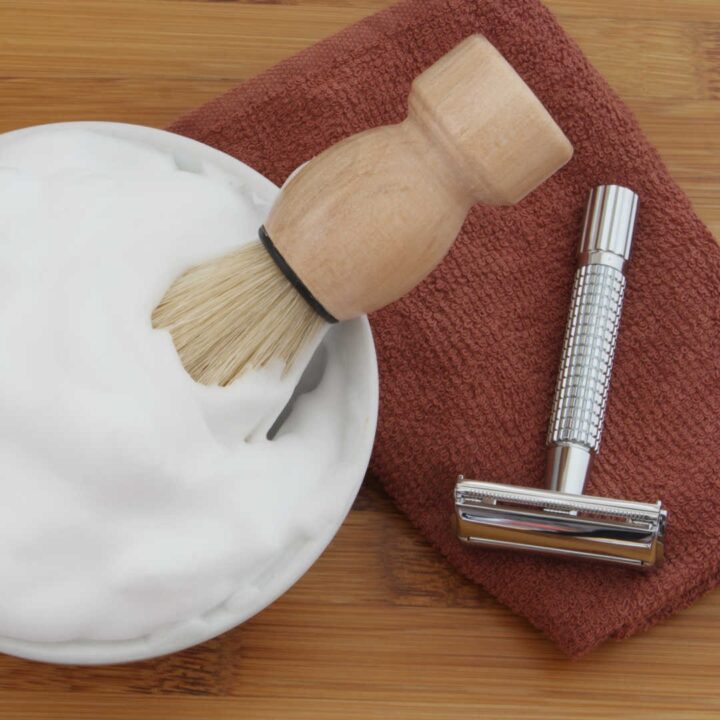
As skill increases, control replaces force. An experienced hand can apply very small inputs consistently. While that precision is useful, it also allows additional pressure to persist subtly throughout a shave.
Feedback changes too. Early shaves produce loud signals when something goes wrong. Later shaves produce softer ones. Detecting pressure becomes a matter of awareness rather than reaction.
Muscle memory also plays a role. Movements that once solved problems become automatic. Pressure that originally improved cutting efficiency can remain embedded long after it is needed.
This is why pressure often returns during periods of experimentation, chasing closer shaves, or shaving on autopilot.
Reframing Pressure As A Tradeoff
Pressure isn’t a discipline failure. It’s a byproduct of engagement.
Attempts to make the razor perform better introduces force. The goal is not to eliminate pressure entirely, but to understand when and why it increases.
Experienced shaving is about preserving margin. Margin allows small errors without consequences. Pressure reduces margin even when angle and lather are correct.
When results drift, it’s often not because something new went wrong, but because something familiar quietly returned under a different name.
A Secure Way Forward
When pressure reappears, dramatic changes aren’t usually necessary. There is no need to dismantle a working routine or relearn razor baseline fundamentals.
Instead, treat pressure as a variable that requires periodic attention, especially when confidence is high or the shave feels automatic.
Pressure comes back because shaving skill evolves. Recognizing that shift is not a setback. It is a sign that the shave has entered a phase where subtle forces begin to matter.
The skill is not eliminating pressure forever. It is noticing when it returns, understanding why, and letting it go again without frustration.
Editor’s note: This article is part of an ongoing series exploring why shaving problems occur, not just how to fix them.

Why do you press hard? Please just trust your VERY sharp blade to do what it’s meant to do! CUT your hair cleanly and efficiently. Just let the razor glide over your skin. Trust me it’s cutting!