

Quick Answer: A better-made razor does not automatically shave poorly, but a more efficient razor can. Razors with higher blade exposure or efficiency reduce forgiveness and magnify small mistakes in pressure, angle, and stroke length. When technique is inconsistent, efficiency exposes those flaws as irritation, even if the razor itself is well made.
If you have ever upgraded to a highly recommended safety razor and ended up with more irritation instead of less, you’re not imagining it.
A more efficient razor really can make your shave worse.
Not because the razor is bad.
Not because the recommendation was wrong.
But because more efficient razors remove forgiveness.
In this context, “better” does not mean higher quality or better made. It means more efficient or less forgiving in how it presents the blade to the skin.
The Upgrade Trap
Most shavers upgrade razors for simple reasons:
- Their current razor feels inefficient
- They want a closer shave with fewer passes
- They assume premium hardware means better results
That logic works in many hobbies. But it can break down in shaving.
When you move from a mild, forgiving razor to a more efficient one, the razor may not fix anything. It can reveal everything.
What “More Efficient” Usually Means in Razor Design
When people say a razor is better, they usually mean:
- More blade exposure
- More efficiency per pass
- Stronger cutting feedback
- Less forgiveness
These traits can be excellent in skilled hands. They also magnify small mistakes. A forgiving razor lets you get away with:
- Slightly too much pressure
- An unstable blade angle
- Long strokes on curved areas
A more efficient razor does not.
Why the Shave Feels Worse After an Upgrade
Early shaves can mislead you. Here’s what often happens:
- The first shave feels very close
- The second shave feels harsher
- Irritation shows up where it never used to
- The shaver assumes the razor is too aggressive
What actually changed was not the razor. It was the cost of mistakes.
Small technique issues that were muted before are now amplified:
- Pressure removes more skin, not just hair
- Angle errors scrape instead of slice
- Long strokes compound irritation quickly
The razor is not causing the problem. It is exposing it.
Efficiency Shrinks the Margin for Error
Think of razor efficiency like speed in a car.
Driving slowly, you can correct mistakes easily.
Driving fast, small errors matter more.
Efficient razors cut hair faster and closer. That leaves less room for:
- Excess pressure
- Wandering angles
- Sloppy strokes
This is why experienced shavers can rotate through efficient razors comfortably, while others struggle. The razor did not make the shave worse. It made technique visible.
Why Mild Razors Feel Safer
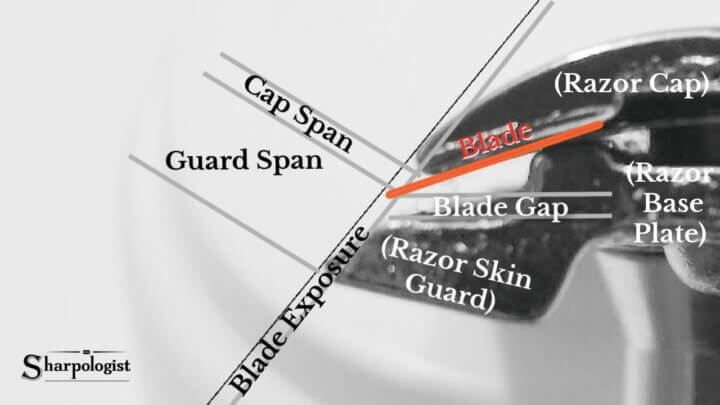
Mild razors especially when used well, are often described as beginner friendly because they:
- Tolerate pressure better
- Punish angle mistakes less
- Allow longer strokes without immediate consequences
That does not mean they shave better. It means they forgive more.
A razor can be extremely well made and still be mild; build quality and efficiency are separate design choices.
Learning on a mild razor can allow habits to form that stop working when forgiveness disappears.
The Razor Is Not the Upgrade Point
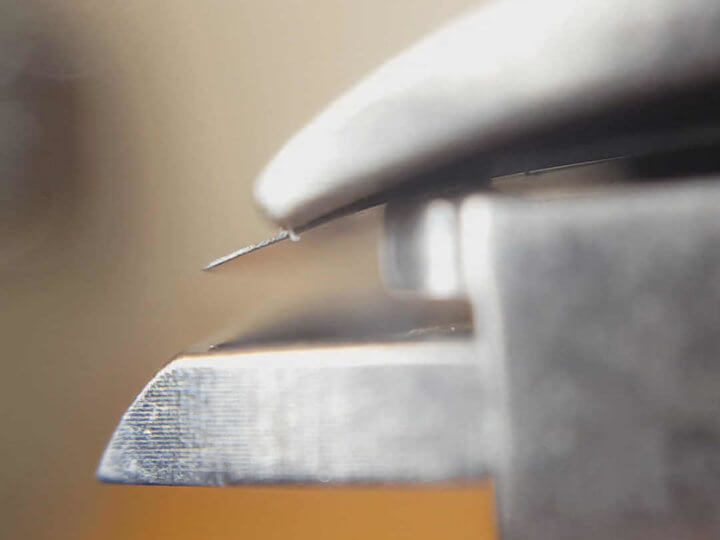
If a new razor made your shave worse, the upgrade point is not hardware.
It is:
- Pressure control
- Angle consistency
- Stroke length
- Lather quality
Until those stabilize, changing razors adds noise instead of clarity.
This is why buying another razor often fails to fix irritation. You’re changing the messenger, not the message.
How to Read Razor Feedback Correctly
When a razor feels harsh, ask:
- Did I reduce pressure enough for this design?
- Did I shorten strokes where the face curves?
- Did I find the angle before moving the razor?
If the answer to any of those is no, the razor is not the problem.
It’s giving you information.
What To Do Before You Abandon the Razor
Before you downgrade again:
- Lock in one blade and one soap
- Use lighter pressure than feels necessary
If you are unsure whether pressure is part of the problem, this guide on razor pressure and control explains what correct pressure actually feels like and why efficient razors punish excess pressure more quickly.
- Shorten strokes, especially on the neck and jaw
- Judge comfort after the pass, not closeness
If irritation drops, the razor was never too aggressive. Your technique simply has not caught up yet.
The Takeaway
Efficiency does not create bad shaves, but it exposes which part of the shave you actually control. A more efficient razor can make your shave worse because it removes forgiveness.
That is not a flaw. It’s feedback.
If you respond by slowing down and tightening technique, the same razor that irritated your skin often becomes one of your best performers.
And if you want to understand why technique matters more than the razor itself, that conversation is worth having next.

Thank you for an excellent article. I wish you would have expounded on shave angle.
https://sharpologist.com/blade-angle/
I experienced this when I bought a Rex Ambassador. Initially I thought it was rough and draggy, but with experience it is now my favourite razor as it gives me the closest of shaves.
This is one the best articles on wet shaving. But you forgot to say something on blade feel. Blade feel is the most important thing (to me). I can go for long strokes or short strokes by feeling the blade against my skin. If I feel it gouging I ease up, if I feel it starting to break the skin I ease up I hate getting nicks & cuts. But I’ll never go back to any else. I’m a DOUBLE EDGE wet shaver for life!
Adding blade feel is an excellent idea and I will integrate that when I update the article.
That’s a great article Mark, thank you.
Good article, my feeling is that most aggressive razor heads are too heavy even when you apply no pressure, so when I upgraded I chose a barber’s razor (shavette) instead of a double edge razor for the greater feel, control and feedback you need when it comes to efficiency, what the blade does is greatly magnified and this allows you to properly dial in your technique and skill. The result is a fabulous shave when you master this type of razor.
Excellent article. I had the same experience when switching to a OneBlade. I was over the moon for the first couple shaves, then the shaves went downhill. I still haven’t mastered the new techniques.