

Quick Answer: First impressions in wet shaving are unreliable because novelty, adaptation, and unconscious technique changes distort early feedback. Razors, blades, and soaps rarely reveal their true behavior on the first shave. Consistency and time are what turn noisy first impressions into useful information.
Why First Shaves Feel So Convincing
First shaves tend to feel decisive.
A new razor feels either amazing or terrible. A blade seems sharp or harsh. A soap feels slick or drying. The reaction is strong enough that it feels obvious what the verdict should be.
That confidence is understandable. It’s also misleading.
The unspoken assumption is simple: if something is good, it should work immediately.
In wet shaving, that assumption breaks down very quickly.
The Honeymoon Effect in Wet Shaving (And Why It Works Both Ways)
First impressions are intense because novelty amplifies them.
Attention is higher and expectations are more pronounced. That intensity can register as a fantastic shave or a disappointing one, depending on the day and the setup. Both reactions are overrepresented in first shaves.
What’s happening isn’t accuracy. It’s contrast.
First impressions feel strong not because they are reliable, but because everything is new.
What Actually Changes After the First Few Shaves
After a few uses, something starts to subtly shift.
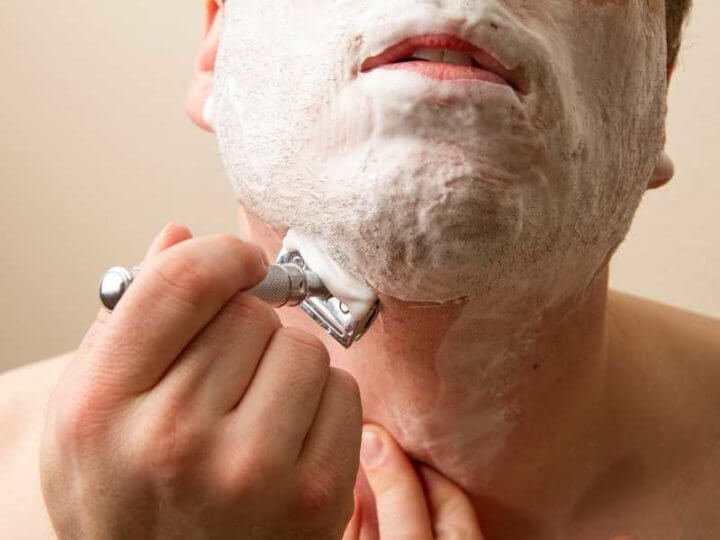
Hands move more calmly. Angle becomes easier to find. Pressure evens out without conscious effort. The shave starts to feel less dramatic and more predictable.
This is often misattributed to the product “breaking in.”
In reality, the tool hasn’t changed. The shaver has.
Perception catches up to reality over repeated shaves. What felt harsh may now feel manageable. What felt magical may now feel ordinary.
That doesn’t mean the first impression was wrong. It means it was incomplete.
Technique Normalization Happens Automatically
One reason first impressions lie is that technique adapts without asking permission.
As you shave, your hands may unconsciously compensate. Pressure adjusts. Stroke length shortens or lengthens. Angle stabilizes. You’re often making the razor work before you realize you’re doing it.
This adaptation is useful for shaving, but terrible for early evaluation because you often adapt to the tool before you can evaluate it.
That’s why early discomfort sometimes disappears and why early excitement sometimes fades.
Why First Impressions Can Lead To Bad Shaving Decisions
Strong first impressions can create urgency.
A bad first shave encourages quick abandonment. A great first shave encourages buying backups. A mixed first shave encourages searching for something else to compare it against. A more efficient razor can make the shave worse.
None of those reactions are unreasonable. They’re just premature.
When decisions are made on day one, they’re usually responses to intensity, not patterns. Over time, that leads to unnecessary swapping and persistent confusion.
Why Experienced Shavers Distrust Day One Results
Experienced shavers tend to repeat the same advice: give it time.
That isn’t because they’re patient by nature or resistant to novelty. It’s because experience shortens the adaptation curve. They’ve learned that early feedback is noisy and that useful information shows up later.
Confidence makes waiting easier. Waiting makes perception clearer.
The advice may sound vague until you understand the mechanism behind it.
Time Is the Missing Shaving Tool

Time doesn’t improve the shave. It improves the information.
Across multiple shaves, patterns emerge:This adaptation is useful for shaving.
- how forgiving a razor is when attention slips
- how skin recovers the next day
- how consistent results feel over a week, not a pass
Time filters out novelty and reveals behavior.
That’s when evaluation becomes meaningful for a more consistent shave.
What To Pay Attention To Instead Of First Impressions
First impressions emphasize closeness, sharpness, and sensation. Those are easy to feel and easy to overvalue.
More useful signals take longer to show up:
- consistency across days
- margin for error
- fatigue or effort required
- skin response over time
These traits don’t announce themselves loudly. They accumulate quietly.
Why This Matters Beyond Razors
This pattern isn’t limited to razors.
Blades that feel harsh often smooth out as technique adapts. Soaps that seem drying may simply require different hydration. Aftershaves that sting initially may stop doing so once irritation drops.
Early reactions are often blamed on products (two razors can behave differently even when both are good) when the real driver is adaptation.
Recognizing that prevents a lot of unnecessary swapping.
Conclusion: Don’t Confuse Intensity With Accuracy
First impressions feel convincing for predictable reasons. Novelty, attention, and adaptation distort early feedback.
That doesn’t mean first impressions are useless. It means they’re incomplete.
Clarity comes from repetition, stability, and time. If you’re unsure after the first shave, that uncertainty is useful information, not a failure.
