

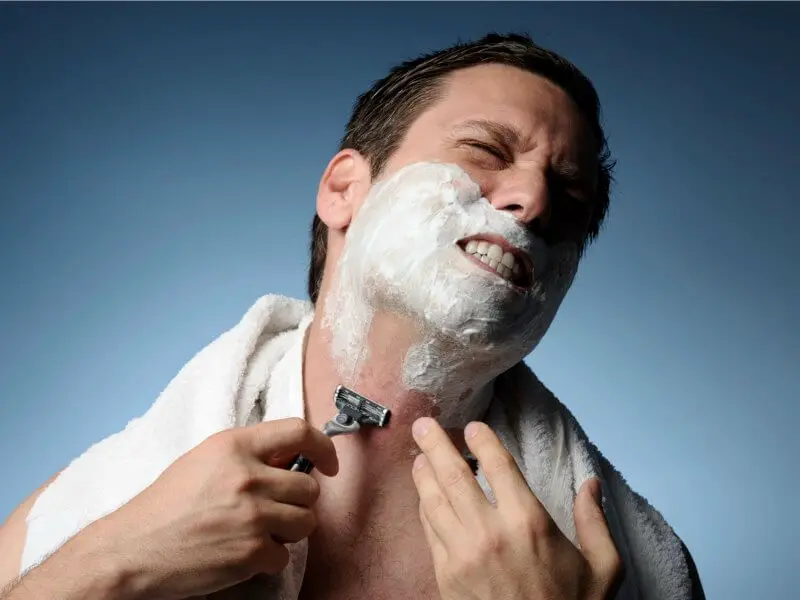
When irritation shows up, the first instinct is almost always the same: change the blade.
That instinct makes sense: blades wear. A fresh blade feels like a clean reset.
And for the first couple of weeks, that logic often appears to work.
Then, around three weeks later, irritation returns, even when the blade is new. Sometimes it’s subtle. Sometimes it’s worse than before. The soap is the same, the razor hasn’t changed, yet the shave feels rough again.
At that point, simply changing blades stops helping. Not because blades don’t matter, but because they’re no longer the variable driving the result.
Quick Answer
Changing blades often stops fixing irritation after a few weeks because the blade is no longer the main variable. As confidence increases, small changes in pressure and repetition quietly increase skin contact. A fresh blade can temporarily mask these changes, but it does not remove them. Persistent irritation is usually a signal about technique and skin response, not blade sharpness.
What Razor Blades Actually Control And What They Do Not
A razor blade has a narrow and specific role in the shave: it cuts hair. Understanding that role clearly helps explain why blade changes feel effective early on, and why they stop solving the problem later.
A sharper blade cuts with less resistance. A worn blade can increase drag. Blade condition can absolutely contribute to discomfort.
What a blade does not control is how much pressure you apply, how often you pass over the same area, or how your skin responds to repeated contact.
Once a blade is sharp enough to cut cleanly, most irritation is no longer caused by the edge itself. It is caused by how that edge is being used.
This is why irritation can appear even with a brand new blade.
Why Irritation Often Appears After Early Progress
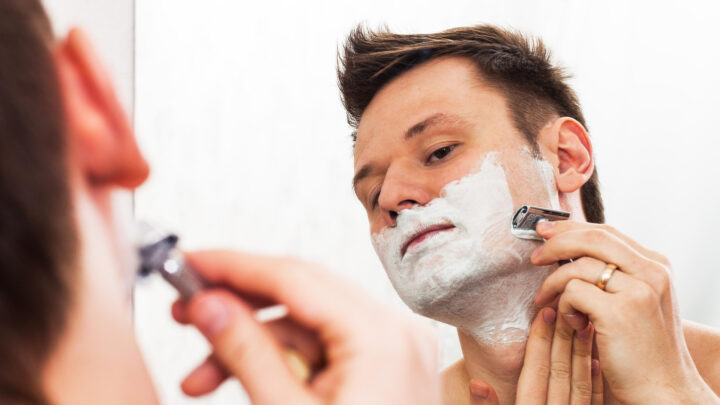
The timing of irritation is rarely random. For many shavers, discomfort returns not because something broke, but because the learning phase quietly ended.
The first two weeks of traditional shaving with something new usually feel encouraging. Shavers slow down. They pay attention. They handle the razor carefully.
Then something shifts.
Confidence increases, movements get faster, and passes feel easier. Small habits begin to change without conscious intent. Pressure increases slightly, strokes get longer, and touch ups happen more often.
None of this feels dramatic, and that is the problem. These changes happen quietly.
By week three, the shave feels familiar enough that attention drops, but the skin is now being asked to tolerate more contact than before.
The blade did not suddenly become worse. The interaction between blade and skin changed.
The Blade Life Myth And Why Blade Counts Fail As Diagnostics
Advice about blade life is everywhere, but most of it is built around convenience rather than accuracy. That makes blade counts easy to follow but unreliable to diagnose problems.
Most shaving advice includes rules of thumb like five shaves per blade or change your blade weekly. These rules persist because they are easy to remember, not because they are reliable diagnostics.
Blade life varies widely. Blade manufacturing specifications, beard density, shaving frequency, water hardness, and technique all matter. More importantly, irritation often appears even when blade life is well within those guidelines.
Changing blades at the first sign of discomfort can temporarily mask technique issues. A sharper edge reduces resistance, which makes pressure feel less noticeable. The underlying behavior remains unchanged.
This is why irritation returns quickly, even with repeated blade changes.
Why Irritation Persists Even With A New Blade
Once blade condition is removed as the primary variable, irritation usually comes from a combination of mechanical and biological factors. These tend to reinforce each other rather than act independently.
Technique Variables Overpower Blade Condition
Pressure is the most common driver. Even a slight increase multiplies skin contact across every pass.
Blade angle drift is another factor. As confidence grows, angle often becomes steeper without being noticed.
Longer strokes and repeated passes compound the effect, often crossing the line into over shaving without feeling excessive in the moment. Each individual change feels small. Together, they add up.
Skin Response And Inflammation
Razor burn isn’t a mechanical failure. It’s an inflammatory response.
Once skin becomes irritated, it reacts more quickly to the same stimulus. What felt fine last week can feel harsh today, even with identical equipment.
Ingrown hairs are a separate issue, but they are often mistaken for blade related irritation. Changing blades does not resolve them.
Prep And Recovery Factors
Skin condition before and after the shave plays a larger role than most people realize.
Dry skin increases friction. Inadequate hydration makes hair harder to cut. Shaving again before skin has fully recovered magnifies irritation.
None of these are fixed by a fresh blade.
Environmental And Frequency Modifiers That Change Outcomes
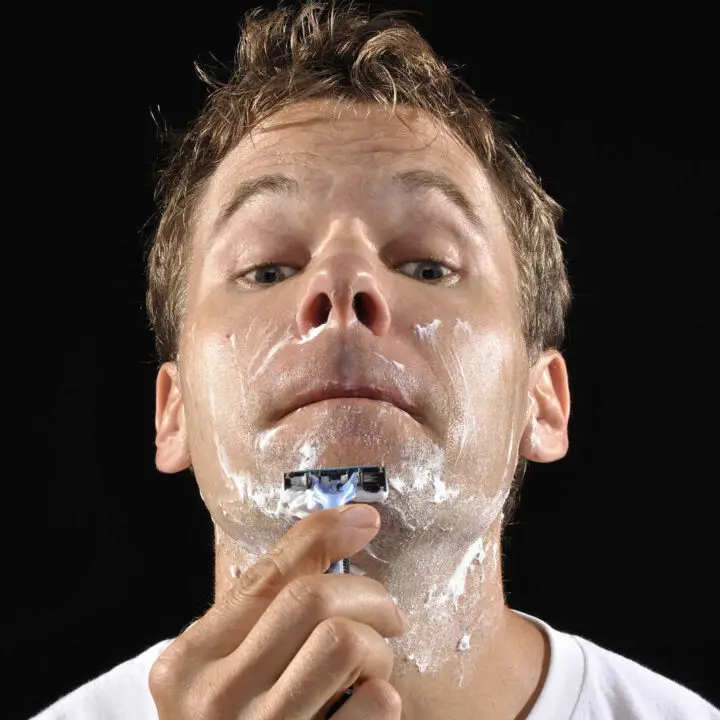
Even good technique exists within limits. External conditions and shaving habits can push skin past its tolerance without any obvious mistake being made.
Daily shaving reduces recovery time. Coarse hair increases cutting resistance. Sensitive skin amplifies feedback.
Experienced shavers often hit these limits sooner, not later, because efficiency increases contact per shave.
This isn’t regression. It’s exposure.
Why Cartridges And Electrics Can Feel Smoother At First
Comparing razor types helps explain why blade blame feels intuitive, even when it’s misplaced.
Multi blade cartridges distribute pressure and mask small errors. They can feel forgiving even when technique slips.
Single blade razors do not hide mistakes. They make feedback clearer.
This difference leads many shavers to assume the blade is at fault, when the real difference is how directly the skin is being engaged.
When Changing Blades Actually Does Help
Blade changes still matter. They are just effective in fewer situations than most people expect.
Changing blades helps when a blade is genuinely worn, damaged, or corroded.
It helps when performance collapses suddenly after extended use.
It does not reliably help when irritation creeps in gradually while everything else remains the same.
How To Tell If Irritation Is Blade Related In Under One Minute
A quick reality check can often point you in the right direction without overthinking the problem.
If irritation appears immediately on the first pass with a new blade, the blade may be defective.
If irritation worsens with repeated passes, pressure or technique is likely involved.
If irritation appears in the same spots regardless of blade, behavior is the common denominator.
Technique Changes That Reliably Reduce Irritation
When irritation is not blade driven, the most effective fixes tend to be simple and subtractive.
Reduce pressure until the razor feels almost passive.
Shorten strokes. Fewer corrections mean less skin contact.
Limit touch ups. Smooth enough is often better than perfect.
Allow skin time to recover.
None of these require new gear.
Summing Up
Changing blades feels productive. It is visible, measurable, and easy.
Technique changes may take time to notice.
By week three, most irritation is no longer about sharpness. It is about how confidence subtly reshapes behavior.
Once you see that pattern, irritation becomes information rather than frustration.
And blade changes return to their proper role: maintenance, not diagnosis.

I look forward to Mantic59’s informative, common-sense emails.