

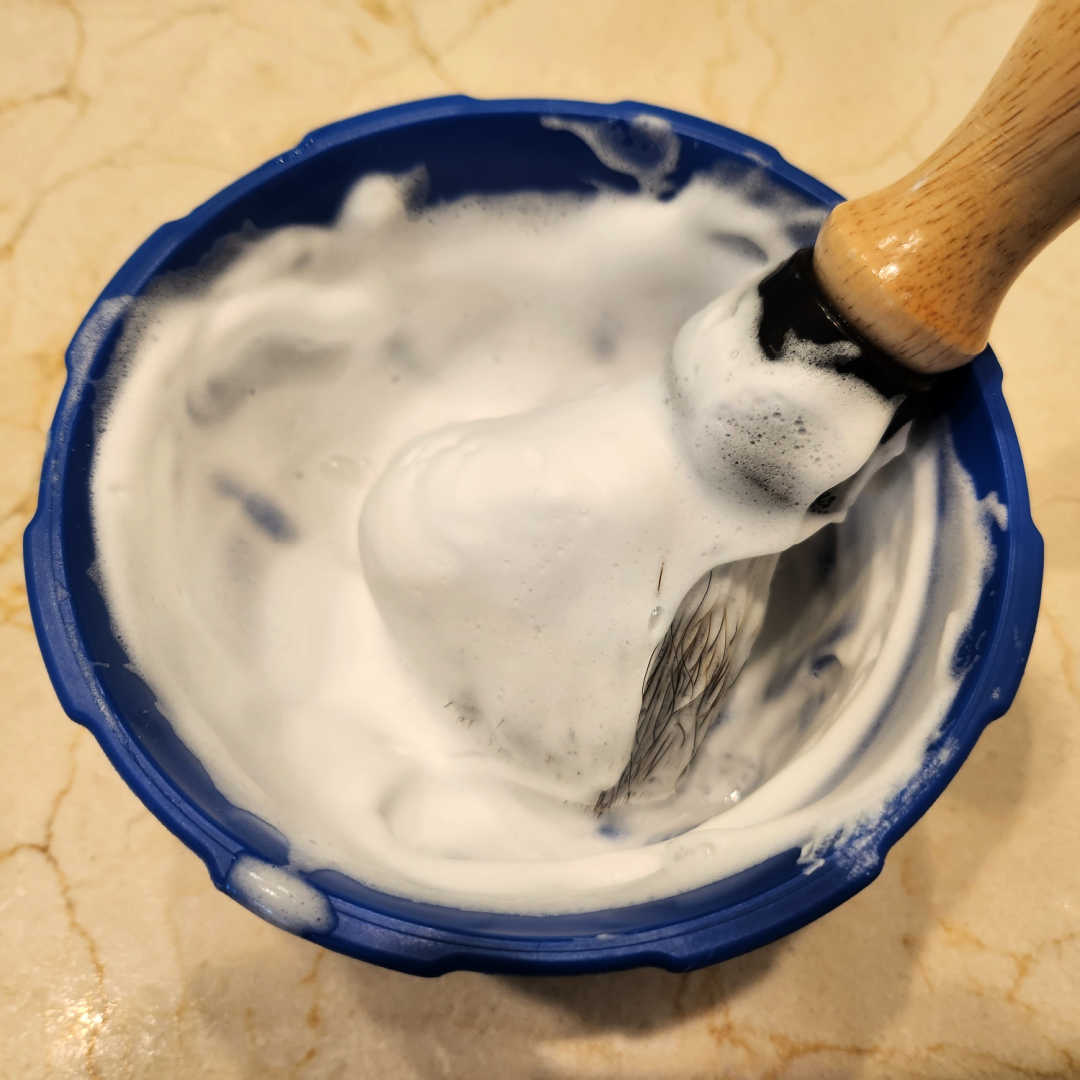
When lather doesn’t behave, soap is usually the first thing blamed. Thin lather, airy foam, or lather that dries out mid-pass all feel like product failures, especially when the same soap works perfectly for someone else.
Switching brands feels productive. It’s visible, easy, and widely recommended. A new soap often smells better, feels different, and sometimes even seems to work better for a few shaves.
Then the problem comes back, and when it does, the issue usually isn’t the soap. It’s the process that stayed the same while the product changed.
Quick Answer
Switching soap brands often doesn’t fix lather problems because soap provides ingredients, not results. Lather quality is created by loading, hydration, agitation, and time, which usually remain unchanged when the soap changes. A new soap can feel better briefly, but persistent lather issues almost always come from process, not formulation.
Soap And Lather Are Not The Same Thing
Soap and lather are closely related, but they aren’t interchangeable.
Soap provides surfactants, fats, and structure. Lather is what you create from those ingredients through loading, adding water, and working the mixture over time.
Changing soaps changes the ingredients. It does not reset how you load, hydrate, or agitate. If those variables stay the same, the resulting lather will usually behave the same way, even with a different product.
This distinction matters because most lather problems are execution problems that get misattributed to formulation.
This is a common pattern in wet shaving, where an easily changed variable ends up getting credit for outcomes it doesn’t actually control.
The Most Common Lather Problems People Try To Fix With Soap
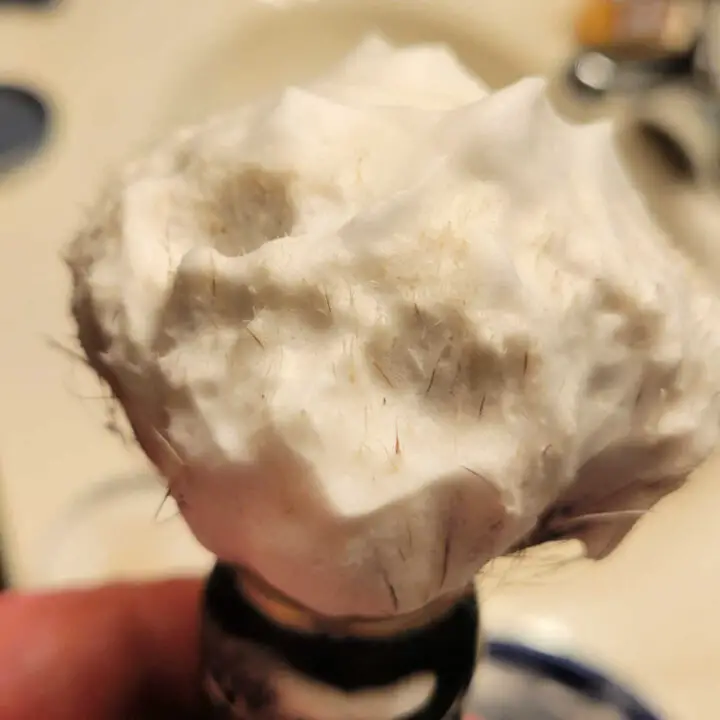
Lather issues are real. So is the frustration. The problem is that the symptom people notice is rarely caused by the soap itself.
Thin Or Weak Lather
Thin lather is usually the result of underloading. There just isn’t enough soap in the mix to support structure once water is added.
Switching soaps can briefly improve this because a new product encourages heavier loading at first. When loading habits drift back to normal, the lather thins again.
Airy Or Foamy Lather
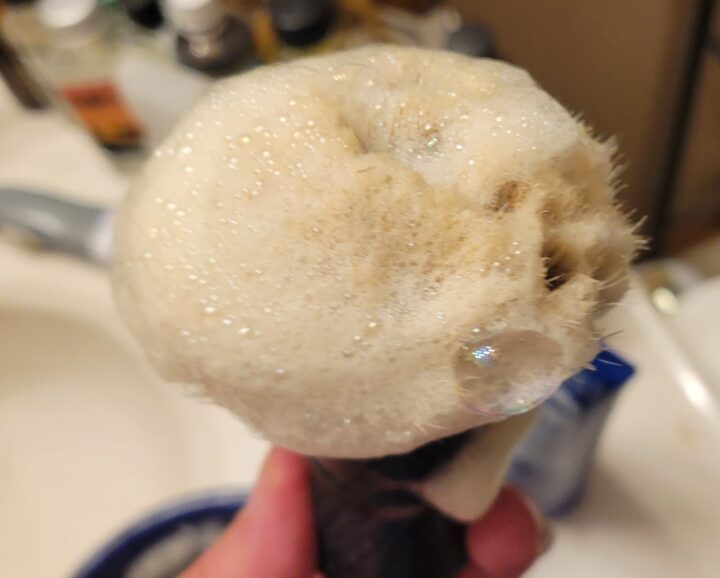
Airy lather usually comes from adding too much water too early. The brush whips volume into the mix before there’s enough soap present to create density.
Different soaps tolerate early water differently, which makes some appear “better” than others. But the underlying behavior hasn’t changed.
Dry Or Disappearing Lather
Lather that dries out or vanishes mid-pass is often underhydrated or insufficiently worked. Its structure hasn’t fully developed yet.
Some soaps are more forgiving here, which can make them seem superior. The real variable is time and hydration balance, not brand.
Why New Soaps Often Feel Better At First
New soaps change behavior, even when you don’t notice it.
Loading usually increases with an unfamiliar product: the shaver pays more attention and water is added more cautiously. The process slows down.
Those changes can produce better lather immediately, creating the impression that the soap fixed the problem. Once habits settle back in, the same issues return.
The soap didn’t stop working. The extra attention stopped.
What Switching Soaps Can And Cannot Fix
Soap formulation does matter, but its influence is more limited than you may think.
Different soaps vary in tolerance, slickness, and cushion. Those differences can change how forgiving a lather feels and how wide the margin for error is.
What soap cannot do is compensate for consistent underloading, poor hydration timing, or insufficient agitation elsewhere in the process. When those variables are off, switching brands just delays diagnosis rather than resolving it.
Why Water Quality Is Usually Over-Credited

Water quality is often blamed when lather problems persist. Hard water, minerals, and variability all sound like plausible culprits.
Water can matter, but it’s rarely the primary issue. Most lather problems occur in a wide range of water conditions and improve dramatically when loading and hydration are adjusted.
The Variables That Actually Control Lather Quality
Across different soaps and water conditions, the same variables consistently determine results.
Loading Amount
Most lather problems begin with too little soap. Without enough product in the mix, structure can’t form no matter how carefully water is added.
Hydration Timing
When water is added matters as much as how much is added. Early saturation creates foam. Gradual hydration builds density and stability.
Agitation And Time
Lather develops through work. It takes time for structure to form and stabilize. Rushing the process produces inconsistent results regardless of soap brand.
These variables don’t change when the soap changes.
How To Tell When A Soap Is Actually The Problem
There are rare cases where a soap genuinely doesn’t work for someone.
If loading is generous, hydration is controlled, and lather still collapses consistently across brushes and techniques, formulation is probably a major factor.
These cases are exceptions. Most persistent lather problems resolve once the process is addressed.
Summing Up: Soap Changes Feel Productive, But Process Does The Work
Switching soap brands feels like action, and sometimes it produces short-term improvement. That improvement usually comes from changed behavior, not changed formulation.
Lather problems persist because the variables that create lather stay the same when the soap changes.
Once soap and process are separated conceptually, lather becomes easier to diagnose, easier to improve, and far less frustrating.
