
Quick Answer: Blade lifespan is not a fixed number of shaves. It is a performance window shaped by beard density, razor geometry, technique stability, and skin response. Testing blade longevity works best when variables are controlled and performance changes are noticed early, before irritation forces compensation and hides what the blade is actually doing.
Blade lifespan refers to the period during which a razor blade delivers consistent, comfortable performance before gradual degradation begins to affect shave quality.
Research Attribution: This article is based on long term observation of wet shaving communities and real world shave behavior, not manufacturer specifications or averaged blade counts.
Why Blade Lifespan Can Feel So Confusing
Ask experienced wet shavers how long a blade lasts and the answers rarely agree. One replaces after three shaves. Another uses the same blade for weeks. Both may be convinced they are right.
The confusion persists because blade lifespan is treated as a number to discover rather than a process to understand. “How many shaves does this blade give?” sounds reasonable, but it assumes blades fail in uniform ways. They don’t.
Most advice also concentrates too many variables into a single outcome. Beard density, razor design, shave frequency, and technique stability all matter, but they are rarely discussed together. The result is a collection of numbers that look precise but don’t really explain anything.
This article exists because blade lifespan is not a fixed shave count, but a performance signal shaped by razor choice, technique stability, and skin response.
Many experienced shavers already respond to these signals instinctively. This article simply gives language to patterns they may already recognize.
Blade Lifespan Is Not Linear
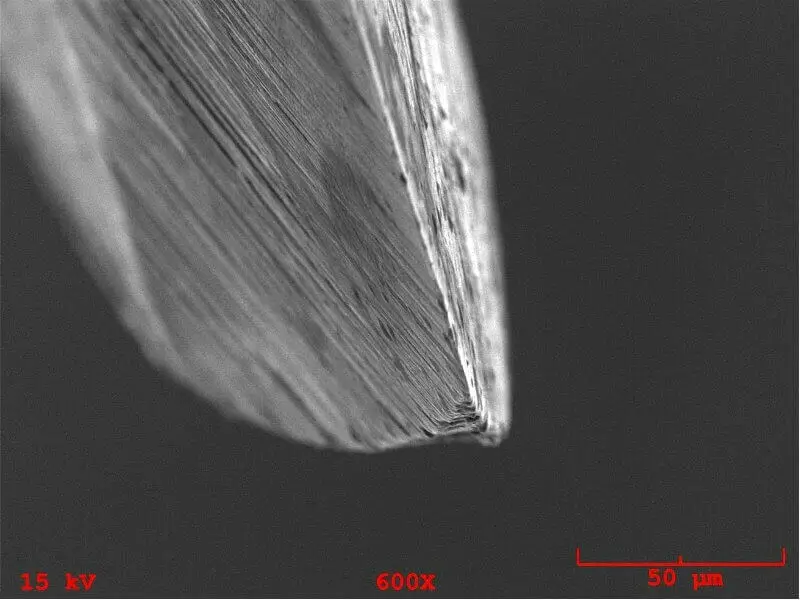
Blades do not move cleanly from sharp to dull. The earliest changes are subtle and are often felt before they are seen.
What Actually Changes As A Blade Ages
Most modern blades rely on coatings to improve smoothness. Those coatings wear long before the steel edge meaningfully degrades. As they fade, the blade may still cut efficiently, but with more friction. That change appears as resistance rather than obvious tugging.
Over time, microscopic deformation develops along the edge. The blade still removes hair, but it becomes less forgiving of angle variation and pressure. This is why early blade decline is often described as rough rather than dull.
This distinction between cutting ability and perceived sharpness is explored in more detail in The Science of Blade Sharpness, which shows how blades move through different performance phases rather than simply becoming dull all at once.
Cutting ability and comfort don’t decline together. When lifespan is judged only by whether a blade still cuts, the most useful information is missed.
Why “One More Shave” Often Feels Worse Than It Should
When a blade begins to lose smoothness, most shavers will compensate without noticing. Pressure increases subtly, angles drift slightly, and extra touch-ups appear.
These adjustments extend usability briefly but hide the early warning signs. By the time the blade is replaced, the shave feels as if it deteriorated suddenly.
It didn’t: the decline was gradual. Compensation delayed recognition.
The Variables That Matter More Than The Blade
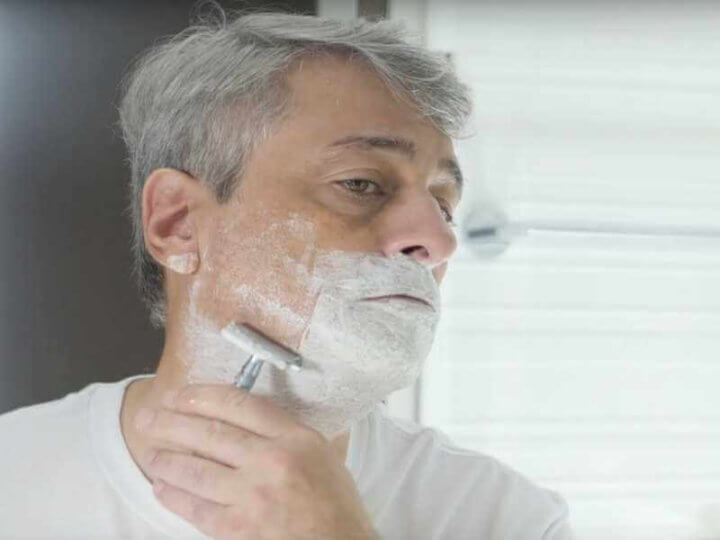
Skin recovery matters too. A blade that feels acceptable with daily shaving may feel harsh when used every other day at the same shave count.
Beard And Skin Factors
Beard density usually matters more than coarseness. Longer growth changes how hair meets the blade and how skin tolerates friction. A dense beard presents more hair to the edge per stroke, increasing cumulative stress even if individual hairs are fine. Complex growth patterns add strain as the blade cuts from multiple directions.
Razor Factors
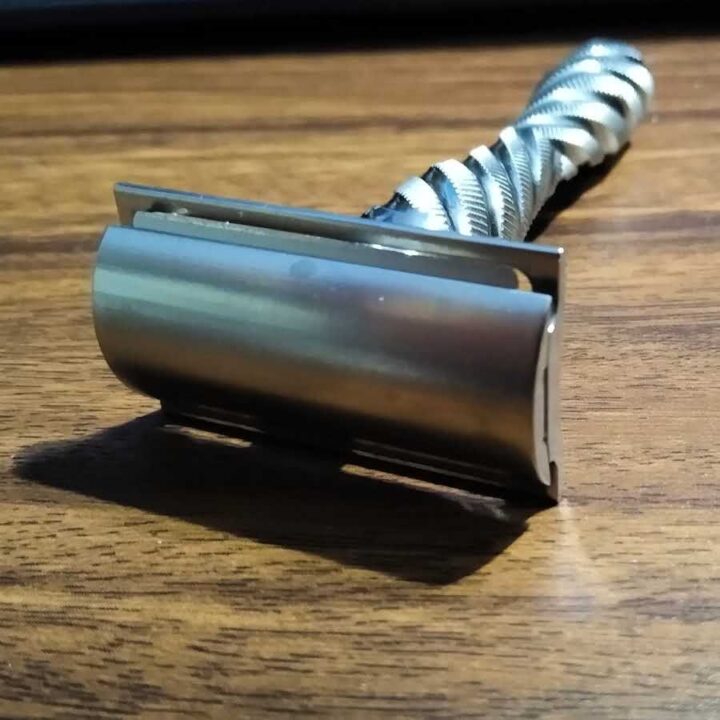
Blade lifespan can’t be separated from razor design. Exposure, gap, and especially clamping determine how much the blade flexes under load. A well-supported edge experiences less micro movement and often feels smoother longer.
This is why the same blade can feel short lived in one razor and durable in another. The blade did not change. The stresses placed on it did.
This does not mean blades behave differently because they are incompatible or non universal. It means the same blade experiences different mechanical stress depending on how it is held and presented to the skin.
Technique Stability
Inconsistent pressure or angle makes blade testing unreliable. Even experienced shavers have off days, and a single rough shave does not indicate blade failure.
Improving technique can also shorten perceived blade life. As technique becomes cleaner, tolerance for degradation drops. What once felt acceptable no longer does.
Why Community Blade Counts Are Misleading
Many blade counts shared online cluster around numerical extremes. Very short lifespans and very long ones get the attention. Typical results don’t.
There is also frequent confusion between usable and optimal. A blade that still shaves is not the same as one that still shaves well. Endurance narratives reward persistence rather than quality.
Survivorship bias compounds the problem. Blades that fail early are abandoned quietly. Blades that last unusually long are reported proudly. The middle disappears.
This does not make community discussion useless. It makes raw numbers unreliable without context.
Why Sharpologist Does Not Publish Average Blade Counts
You will not find official “X shaves per blade” numbers on Sharpologist. That omission is intentional.
Blade lifespan is not a product specification. It is an interaction between steel, razor geometry, beard density, skin recovery, shaving frequency, and technique stability. Publishing averages strips away those variables and replaces them with false precision.
Average counts also encourage the wrong behavior. They reward endurance over quality and normalize compensation. Irritation becomes acceptable because the number still looks good.
At Sharpologist, blade lifespan is treated as feedback, not a score. It is used to diagnose razor pairing, technique drift, and skin condition changes. It is not something to maximize or compare across shavers.
The conclusions here are drawn from repeated patterns seen across real world shave reports, not isolated anecdotes.
The goal isn’t to get more shaves. It’s to know when the shave stops being the shave you want.
Blade lifespan is feedback, not a score.
Sharpologist
How To Test Blade Lifespan Without Burning Through Blades
Testing blade lifespan does not require endurance trials. It requires restraint.
The most reliable approach is to keep everything the same and pay attention to signals that appear early, before irritation forces adjustment.
The One Blade, One Setup Principle
Use one razor. Keep prep and frequency consistent. Shave normally.
Changing variables mid test invalidates results. A blade that feels different after a soap or razor change has not revealed anything about its lifespan.
What To Track Instead Of Shave Count
Closeness is a poor metric. A degrading blade can still produce a close shave with enough compensation. More reliable signals include first pass resistance, the appearance of extra touch ups, and post shave skin feel about an hour later.
These changes repeat when a blade is genuinely declining.
When To Stop
The most cost effective stop point is not failure. It is the first consistent performance drop that appears across two shaves.
Replacing a blade at that point saves skin and time. Stretching blades beyond it often fails to save money once irritation and recovery are considered.
Maintenance techniques may delay degradation slightly, but they do not eliminate the performance signals discussed here.
Common Blade Lifespan Myths
Sharp blades wear out faster.
Perceived sharpness and durability are not opposites. Coatings and edge geometry matter more than initial feel.
You should always get a specific number of shaves.
Any fixed number ignores razor pairing, beard density, and frequency.
Blade longevity equals value.
Value comes from consistent performance, not endurance.
What Blade Lifespan Data Is Actually Good For
When treated properly, blade lifespan becomes diagnostic.
It can reveal technique drift, show which razors stress blades differently, and highlight changes in skin condition or shave frequency. It can also explain why a blade that once worked well suddenly doesn’t.
Used this way, blade testing stops being a contest and becomes information.
Blade Lifespan As Feedback, Not A Score
Chasing blade counts distracts from shave quality. Replacing blades earlier with confidence is often cheaper than pushing them to failure.
Longevity is not an achievement. It is a signal.
FAQ: Blade Lifespan And Razor Blade Longevity
How many shaves should a razor blade last
There is no universal number. Blade lifespan depends on beard density, razor design, shaving frequency, and technique stability. Consistent performance matters more than maximizing shaves.
How do I know when to replace my razor blade
Replace the blade when the same performance drop appears across two shaves. Early signs include increased resistance, more touch ups, and reduced post shave comfort.
Does shaving technique affect blade lifespan
Yes. Inconsistent pressure and angle accelerate wear. Improved technique often shortens perceived blade life because tolerance for degradation decreases.
What factors affect razor blade longevity most
Razor clamping, beard density, shave frequency, and technique stability usually matter more than blade brand alone.
Sidebar: Blade Lifespan Testing Checklist
Before You Start
Choose one razor. Keep frequency and prep consistent.
During Each Shave
Do not compensate. Notice first pass resistance and extra touch ups.
After The Shave
Assess skin feel about an hour later.
When To Stop
Stop at the first consistent decline across two shaves.
What It Means
The result applies only to that setup. It is a reference point, not a rule.

Graham, couldn’t agree more, for a few pence about 12p for the blades I prefer (pre Russian war cost), it is well worth changing the blade.
I can’t overstate the importance of only changing one item for the life of the blade, when testing items in your set up. It really does matter.
Good guide and leant something too along the way, always a good thing.
Excellent article in my opinion. One thing I would add is cost. When considering whether to push a blade for another day, maybe consider how much it cost you? A few pence (or cents)? Your face is worth a new blade!
Please keep the articles coming. I really enjoy them.