
Your safety razor gives you a decent shave. Then you see a titanium version of a similar design, a beautifully finished stainless steel adjustable, or a razor you can imagine handing down to someone in your family. The appeal is easy to understand. What’s harder to judge is how much of that extra expense will matter once you start using it.
Quick Answer
Premium safety razors can be worth the additional cost when they offer a design that suits you better, construction you value, or lasting pleasure in ownership. The possibility of passing a razor down can matter, too. But a higher price alone doesn’t establish that it will shave you better than a less expensive alternative.
Compare the particular premium razor you’re considering and a credible lower-cost option. What would you gain, and how much is that gain worth to you?
[Disclosure: Sharpologist has affiliate relationships with Henson and Rockwell. The Henson razors discussed include paid and complementary samples. The gold 6S review discussed below used a complimentary sample.]
What Are You Actually Paying More For?
“Premium” isn’t a technical grade. Here, it means a higher-priced safety razor compared with a less expensive model that could reasonably meet the same need. These examples mainly concern double edge razors, rather than decorative handles for cartridge razors.
Part of the price may come from materials, machining, finishing, or the work involved in producing a particular design. Those can be real differences. Their value to the owner depends on what they change during use or over the years of ownership.
| What you’re considering | What it might add | What it doesn’t establish by itself |
| A different head design or adjustment mechanism | Better access, suitable shaving characteristics, or useful flexibility | A better fit for every shaver |
| A different material or construction | A preferred weight, finish, or approach to long-term ownership | A closer shave or a guaranteed lifespan |
| More elaborate finishing or a special edition | Appearance, craftsmanship, or collecting pleasure | Better hair removal or future resale profit |
| A razor chosen to pass down | The possibility of preserving a useful possession and its story | That a recipient will value it because it was expensive |
A purchase may satisfy several of these interests at once. You might enjoy a razor’s finish, prefer its handling, and plan to keep it for decades. The challenge comes when a benefit in one area gets treated as proof of a benefit in another. An attractive finish is easy to appreciate; whether the head suits your shaving needs requires a different assessment.
When Paying More Can Improve Your Shave
The strongest performance case for an upgrade starts with a specific limitation. Maybe your current razor’s head makes reaching under your nose awkward. Perhaps its handle is difficult for you to hold securely, or you want an adjustable razor that accommodates different amounts of growth.
Those are useful reasons to examine another design. They give you something to look for in specifications, photographs, and reviews, and something concrete to assess if you try it. “I want easier access around my nostrils” is a much more useful buying criterion than “I want a premium shave.”
For example, paying more for an adjustable razor may make sense if you expect to use its range. If you consistently find one comfortable setting and leave it there, a suitable fixed-head razor deserves consideration as well. An adjustment mechanism has value when its flexibility serves your routine.
There are also problems a costly purchase may leave untouched. If you repeatedly shave an irritated patch because you want it perfectly smooth, another razor may change how those strokes feel without resolving why you keep making them. If you’re unsure whether changing razors would address your problem, our explanation of when a tool change helps and when it does not can help you separate equipment limitations from problems in how you’re shaving.
Once you’ve identified a useful feature, compare designs at different prices. A premium model may be the best match, but the feature itself is the reason to consider it. Paying more becomes easier to judge when you can explain what the razor lets you do better.
A More Expensive Version May Offer a Similar Shave

Different versions of a familiar design can make the distinction clearer.
Henson describes its AL13 and Ti22 designs as the same, with differences in material and the shaving options offered. In comparable mild or medium configurations, buying titanium doesn’t mean buying a fundamentally different head design. The material and weight change, and those differences may appeal to you. Henson’s description does not establish that every owner will get the same perceived shave from both versions, or that titanium will improve the result.
The gold-plated Rockwell 6S provides another example. In my review, I found its overall shave similar to the standard 6S and regarded the premium primarily as a matter of appearance and limited availability. There were differences: the blade gaps weren’t identical, and I preferred a different plate setting on the gold version. Even so, the review didn’t establish a general performance advantage over the standard razor.
These comparisons are useful because they make the purchase more specific. Someone who already likes a design might happily pay for another material or finish. Someone seeking a substantial improvement in shaving results needs evidence that the particular change addresses their needs.
Can Construction and Longevity Justify the Difference?
Long-term ownership can be a good reason to choose a more expensive razor. If you intend to use the same tool for years, its construction, upkeep, and support deserve attention in addition to its shave characteristics.
Look beyond the name of the main metal. How is the razor assembled? What care does the maker recommend? Can you get replacement parts if you damage one, and what does the warranty actually cover? For an adjustable razor, ask about service for the mechanism as well as the external finish.
A substantial feel can be satisfying, but it isn’t a lifespan measurement. Less expensive razors can also remain useful for many years. Without evidence that your current razor needs replacing, it doesn’t make much sense to justify an upgrade by assuming it will soon fail.
Cost-per-use calculations need the same care. If one razor costs an additional $150 and you keep it for ten years, that premium works out to $15 per year (that’s an illustration based on an assumed ownership period, not a prediction of either razor’s life). That can help you decide whether the extra enjoyment or function feels affordable but it doesn’t show that the expensive razor saves money.
When comparing two DE razors that use the same blades, the low cost of DE blades generally belongs on both sides of the comparison. Savings from switching away from cartridges don’t establish the value of spending more on the razor itself.
Enjoyment Counts, Even When the Shave Is Similar
There’s room in this decision for simply liking the razor.
You may appreciate a carefully finished surface, a particular balance in your hand, or the action of an adjustment dial. Those details are part of using the razor. If shaving is an enjoyable daily ritual, pleasure in the tool can be a worthwhile part of the purchase.
Does that pleasure remain after the initial excitement? Consider what you already enjoy using. If you repeatedly return to light razors, a much heavier model deserves more thought, even if it looks impressive. If you enjoy collecting, a special edition may have value to you that it won’t have to someone choosing a single daily razor.
You don’t need to claim a closer shave to explain why you like something. You do need to be comfortable with the additional expense for the benefit you actually expect to receive. That keeps an enjoyable purchase from becoming a search for a performance improvement the product never promised to deliver.
Is It Worth Buying a Razor To Pass Down?
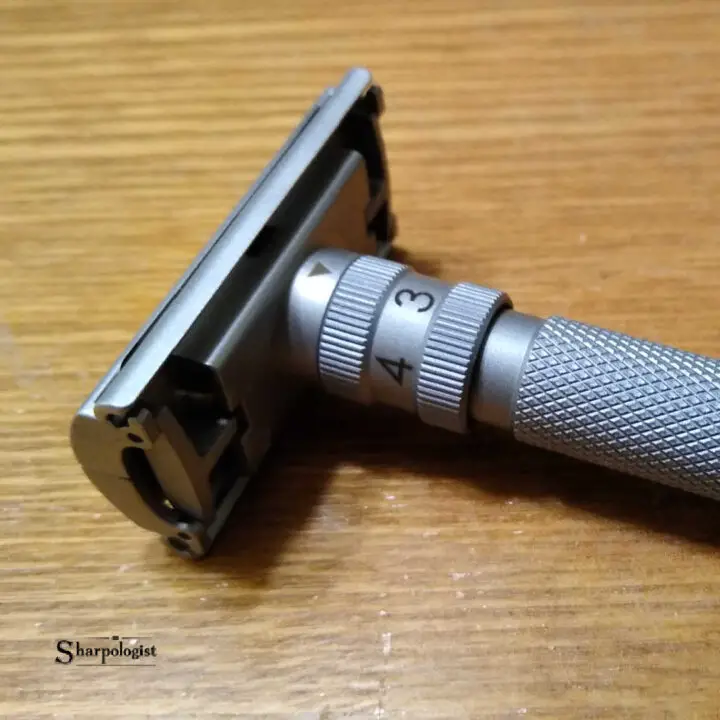
A razor can also be a possession you hope someone else will use or treasure after you. That gives the purchase a longer horizon than your own shaving routine.
When I reviewed the Rockwell T2 Stainless Steel, I described it as heirloom-worthy. I got good results with the standard T2 as well, but preferred the stainless version’s feel. The prospect of keeping a well-made tool and eventually passing it along is a reasonable part of its appeal.
For that purpose, consider the whole razor. The component information reproduced in that review includes internal seals and moving parts alongside the stainless steel construction. Describing it as heirloom-worthy expresses a judgment about its suitability for long ownership; it doesn’t demonstrate maintenance-free service across generations.
The family connection develops through what happens during those years. A child or grandchild might remember the razor on your bathroom shelf, learning about shaving with you, or hearing why you chose it. A modestly priced razor can carry those associations just as readily as an expensive one.
Sharpologist’s article on creating heirlooms to pass down emphasizes preserving that personal history. Keep the model information and instructions, and write down a little about the razor: when you bought it, why it appealed to you, and any memories connected with it. Those details give a future recipient something the finish alone cannot convey.
Choose a razor you’ll enjoy owning now. Someone in the family may eventually shave with it, display it, or keep it as a reminder of you. That possibility can add meaning to the purchase without requiring a promise about how a future generation will use it.
How To Decide Whether the Premium Is Worth It for You
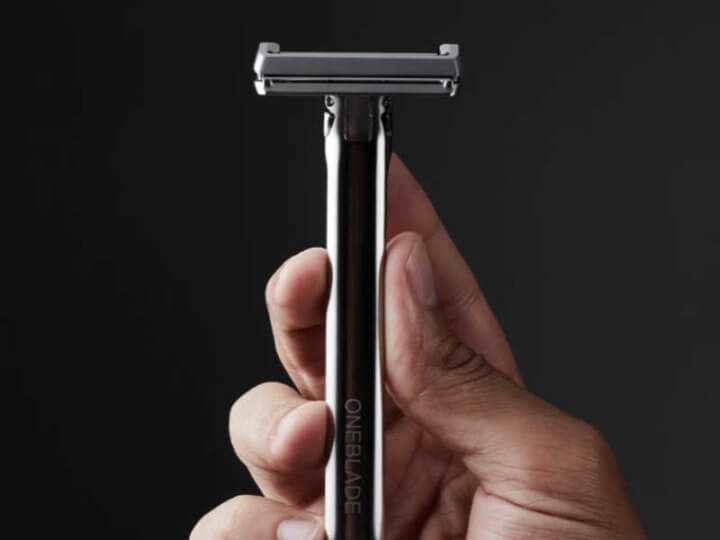
Before deciding, ask yourself: “Would the additional benefits be worth the extra cost to me?”
Then work through four questions:
- What benefit do I expect? Name the improvement in use, construction, enjoyment, or heirloom potential that matters to you.
- What supports that expectation? Separate verified features and relevant review observations from attractive language or personal hopes.
- Could a less expensive option satisfy the same priority? Compare an actual alternative, including the razor you already own.
- Am I comfortable with the difference in cost? Check the complete configuration, purchase terms, and budget before deciding.
For a performance upgrade, you should be able to connect a design feature with something you want to change. For enjoyment or heirloom value, your reason may be more personal. Either can support a thoughtful purchase.
Once you’ve identified the characteristics that matter, use Sharpologist’s safety-razor buying guide to compare specific models for comfort, control, adjustability, and value across price points. If you’ve decided that a premium razor fits your priorities and budget, browse our luxury safety razor guide for examples of the materials, designs, and prices available.
If your current razor already meets your needs and the extra benefits don’t appeal, keeping it is a sound decision. A premium razor earns its place when its particular advantages are worth the additional cost to you.
