


Brush backbone comes up constantly in wet shaving discussions. It’s often treated as a performance variable, a fix for weak lather, or a shortcut to better shaves.
That confidence is understandable. Backbone is easy to feel, easy to compare, and easy to describe. When something changes immediately in the hand or on the face, it’s tempting to assume it’s changing outcomes as well.
In simple terms, brush backbone is how much a knot resists bending under pressure. This article explains where that resistance actually matters, and where it quietly gets credit for things it doesn’t control.
The goal here isn’t to rank brushes or recommend purchases. It’s to define boundaries so backbone can be understood clearly and used appropriately.
What “Backbone” Actually Means In Physical Terms
Backbone is a physical property, not a quality judgment. It describes how much a brush resists deformation when force is applied during lather loading and application.
That resistance is influenced by several factors working together, including knot density, fiber stiffness, loft, and knot shape. The key point is that backbone describes how the knot behaves under load, not what the lather or shave will ultimately be like.
Backbone Vs Density Vs Fiber Stiffness
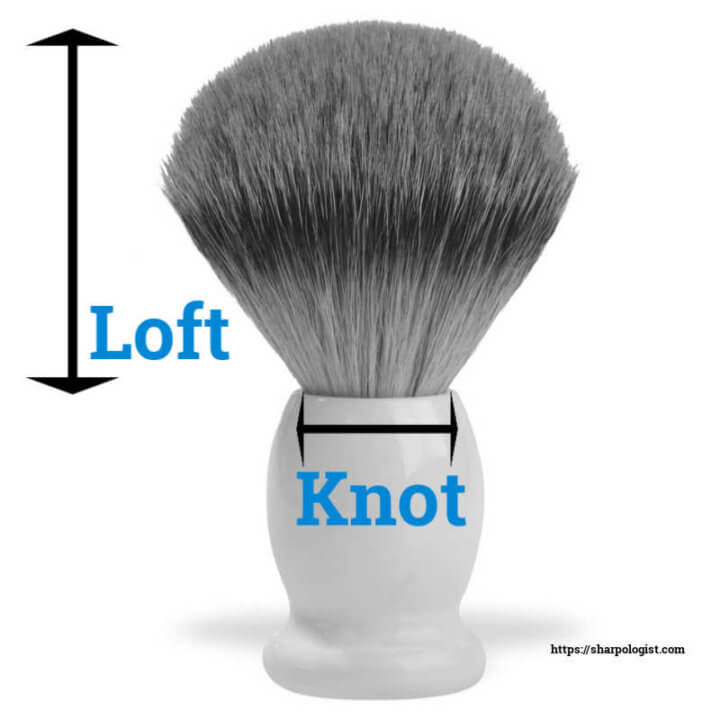
Backbone is often confused with knot density, but they aren’t the same thing.
Density describes how tightly packed the fibers are, while backbone describes how much the knot pushes back when pressure is applied.
Fiber stiffness is different again. Individual hairs can be stiff or soft, but a knot made from stiff fibers can still have low backbone if the loft is high or the knot is loosely packed.
These terms get confused because they often move together in real brushes. Separating them conceptually helps explain why changing brushes sometimes feels meaningful without actually changing results.
What Backbone Does Affect
Backbone does have real effects. They’re just narrower than most discussions imply and mostly limited to preparation and feel rather than performance.
Loading Hard Soaps Vs Creams
Backbone helps transfer force into a hard soap puck. A brush that resists bending makes it easier to apply pressure during loading, which can speed up product pickup.
With creams and softer soaps, this advantage shrinks quickly. The product yields easily, so resistance matters less, and loading success depends more on technique and water control than on backbone.
When lather improves after switching to a higher-backbone brush, it’s often because loading became easier, not because backbone created better lather on its own.
Feedback And Control During Application
Backbone also affects how a brush feels during application. More resistance can feel more controlled or more precise, especially for face latherers who like tactile feedback.
That feedback can influence comfort and confidence, which are legitimate preferences. What it doesn’t do is change the chemical or structural properties of the lather itself.
Feeling better and performing better aren’t always the same thing, even when they arrive together.
What Backbone Does Not Affect
Most confusion around backbone comes from assuming it influences outcomes that are actually controlled by other variables.
Lather Quality And Stability
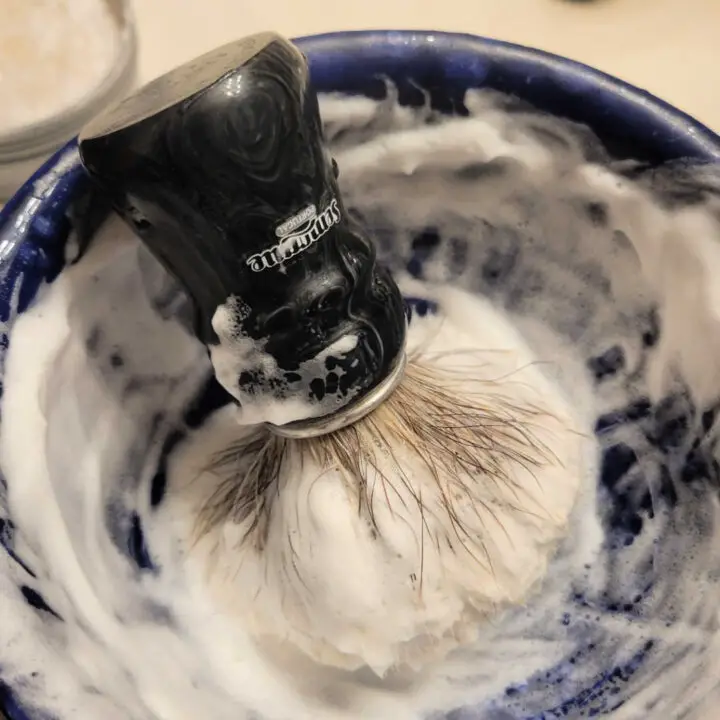
Backbone does not create hydration, slickness, or lather stability. Those depend on soap formulation, loading amount, and water balance.
Thin or airy lather is usually a loading or hydration issue. Changing backbone can change how loading feels, but it doesn’t fix the underlying balance.
Shave Closeness Or Irritation
Brushes don’t meaningfully change how the blade contacts the skin. Backbone doesn’t alter blade angle, pressure, or stroke mechanics.
If irritation improves after changing brushes, the improvement usually comes from comfort, feedback, or reduced overworking of the skin, not from backbone itself.
Learning Curve Or Technique Mastery
Switching brushes doesn’t reset fundamentals. Backbone can make certain motions feel easier or harder, but it doesn’t replace technique.
Changes in feel can be helpful, but they shouldn’t be mistaken for changes in mechanics.
Quick Answer
Brush backbone affects how a brush feels during loading and application by resisting bending under pressure. It does not determine lather quality, shave closeness, or irritation. If changing brushes improves results, the improvement usually comes from comfort or feedback, not performance.
Why Backbone Feels Like A Fix Even When It Is Not
Backbone changes resistance and feedback, and those changes are immediate. When something feels more controlled, it’s easy to assume it’s working better.
Stronger tactile cues can also mask small errors. When a brush pushes back, it can reduce the sensation of overworking an area or compensating with extra pressure.
That masking effect makes backbone feel corrective even when it hasn’t changed the underlying cause of a problem.
Common Backbone Myths And Where They Break Down
More backbone does not automatically mean better lather. It can make loading easier, but lather quality still depends on balance and technique.
Soft brushes are not inefficient. They simply provide different feedback and require different handling.
Backbone does not fix thin lather. Thin lather comes from underloading or excess water, not from insufficient resistance.
Badger brushes are not inherently low-backbone. Knot design matters more than hair type alone.
When Backbone Choice Actually Matters
Backbone choice matters most in terms of fit. Hard soaps, face lathering, and personal comfort all influence what feels right.
These are preference decisions, not performance upgrades. Once a brush falls within a reasonable range, returns diminish quickly.
Choosing backbone well is about settling into a feel that supports your routine, not chasing a fix.
How To Choose Backbone Without Overthinking It
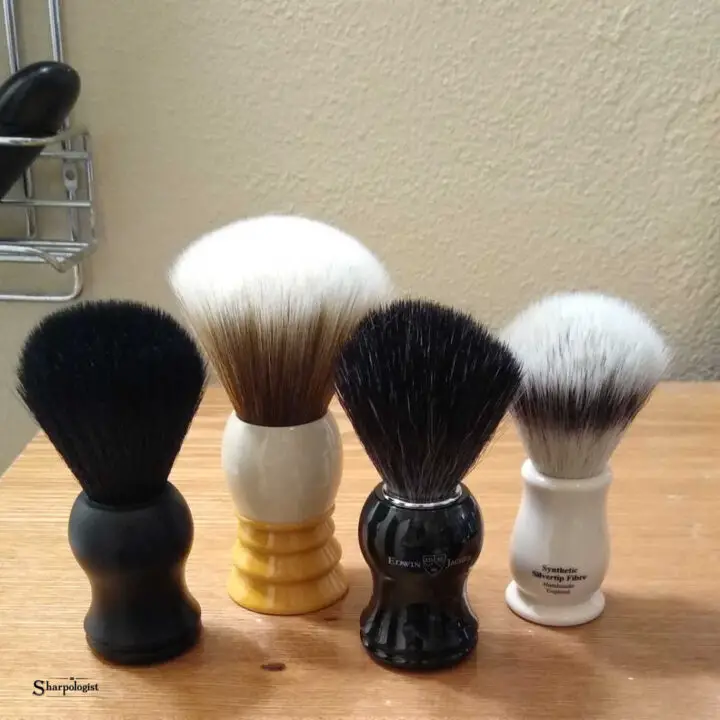
Aim for a brush that loads your preferred soaps comfortably and feels good during application. If it does that consistently, it’s doing its job.
Avoid treating backbone as a lever for solving unrelated problems. When issues persist, they usually live elsewhere.
Stability beats optimization here.
Summing Up: Backbone As A Feel Variable, Not A Performance Lever
Brush backbone influences resistance and feedback during lathering. It does not control lather chemistry, blade behavior, or skin response.
Understanding that boundary keeps backbone useful without letting it absorb credit it hasn’t earned.
Once backbone is seen as a feel variable rather than a performance lever, brush choices get simpler and results get easier to interpret.
