
Quick Answer: A razor blade sampler pack lets you try multiple blade brands without committing to a full box. Start with smoother, more forgiving blades, move to balanced middle-ground options, and only try very sharp blades after your technique is consistent. Test each blade for several shaves using the same razor and soap so you can see patterns in comfort, longevity, and performance before buying in bulk.

Introduction
If you have ever searched for the best safety razor blade, you already know the problem. One person swears by Feather. Another says they are unusable. Someone else insists Astra is the perfect middle ground.
None of them are wrong, and none of them are fully right.
Blade performance is personal, contextual, and surprisingly sensitive to small changes. That is exactly why sampler packs exist. Used correctly, they are not just a way to save money. They are the fastest way to understand how blades actually behave on your face.
This article explains what sampler packs are, why they work, and how to use them properly so you end up with clarity instead of confusion.
Sharpologist’s Views On Blades
You will not find specific blade recommendations or official “X shaves per blade” numbers on Sharpologist. That omission is intentional.
Blade performance is not a product specification. It is an interaction between steel, razor geometry, beard density, skin recovery, shaving frequency, and technique stability. Publishing averages strips away those variables and replaces them with false precision.
At Sharpologist, blade performance is treated as feedback, not a score. The product mentions here are drawn from repeated patterns seen across real world shave reports, not isolated anecdotes. Sampler packs are useful precisely because they surface that feedback loop instead of pretending blade performance is universal.
What Is A Blade Sampler Pack?
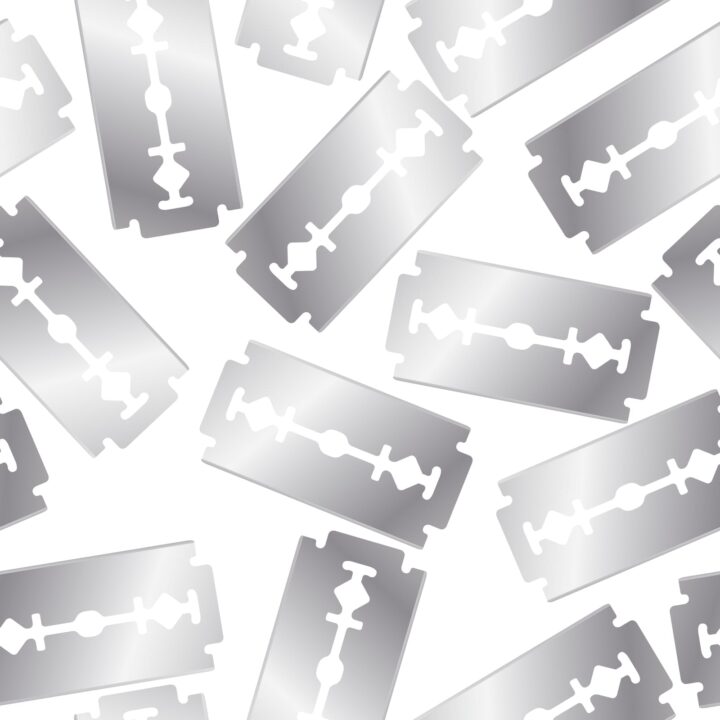
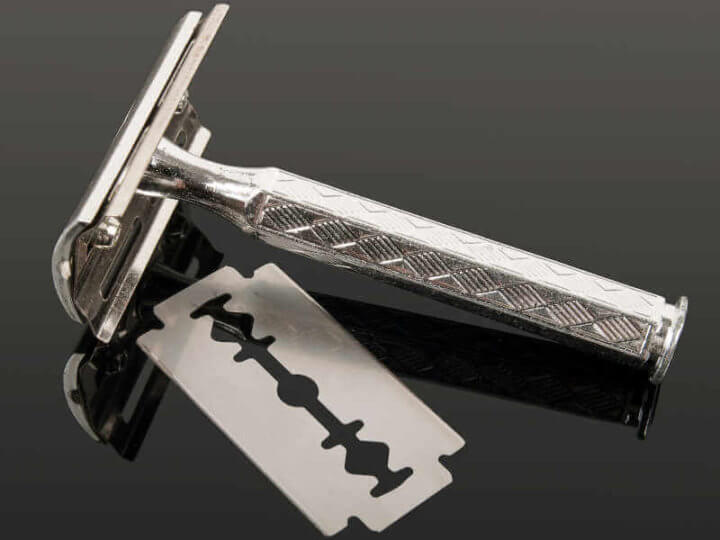
A blade sampler pack is a small collection of double edge razor blades from multiple manufacturers. Most packs include five to ten brands, with a handful of blades from each. Some are marketed as beginner packs, others as complete or advanced samplers, but the underlying idea is the same.
[Editor’s Note: Amazon links for convenience and are affiliate. However many wet shaving vendors offer similar packs.]
Instead of committing to a bulk purchase of one hundred blades you may end up hating, you test a range of options under real shaving conditions.
Most sampler packs include a mix of blade styles such as:
- Smoother and more forgiving blades
- Middle of the road blades that work for many people
- Sharper blades that prioritize efficiency over comfort
What they rarely explain is how to approach testing them. That omission is why some shavers walk away thinking sampler packs are overwhelming or useless.
Why Sampler Packs Are Worth Using
The biggest mistake wet shavers make with blades is assuming performance is fixed.
It’s not.
A blade that feels dull in one razor can feel perfect in another. A blade that feels harsh during your first month of wet shaving can become a favorite once your pressure and angle improve. Buying a full tuck or bulk pack too early locks you into a guess.
Sampler packs can solve three problems at once:
- They reduce financial risk
- They shorten the learning curve
- They expose patterns you cannot see with a single blade brand
There is a common argument that beginners should stick to one blade until their technique improves. That advice is only partially correct. What it misses is that you still need a baseline for comparison. A sampler pack provides that baseline.
How To Think About Blade Differences
Most blade discussions revolve around sharpness, but that is only one variable.
Blades differ in several meaningful ways:
- Edge sharpness
- Coating type and thickness
- Flex or rigidity in use
- Consistency from blade to blade
And individual beard density, hair thickness, skin sensitivity, razor geometry, and pressure all interact with these factors. This is why there is no universal “best” blade, and why sampler packs remain relevant even for experienced shavers.
The goal is not to find the sharpest blade. The goal is to find the blade that performs consistently and comfortably in your setup.
What To Try First (And Why)
The most effective way to use a sampler pack is not to start with the sharpest blade. It is to work from forgiving to demanding.
Beginner Friendly Blades
These blades tend to prioritize smoothness and forgiveness over absolute sharpness. They are good for establishing your baseline.
Examples often include brands such as:
- Derby Extra
- Parker
- Wilkinson Sword
These blades help you focus on angle and pressure without punishing small mistakes.
Middle Ground Blades
This category is where many long term favorites live. These blades balance sharpness and comfort and work well across a wide range of razors.
Examples often include:
- Astra Superior Platinum
- Gillette 7 O Clock variants
- Perma Sharp
If you were forced to recommend a starting point for most shavers, this group would be it.
Sharper Blades to Try Later
High sharpness blades are not inherently bad. They are simply less forgiving.
Examples often include:
- Feather Hi Stainless
- Kai
- Gillette Nacet
These blades shine when technique is solid and beard growth is dense. They also tend to quickly reveal weaknesses in pressure control.
How To Test Blades Without Driving Yourself Crazy

Most sampler pack frustration comes from poor testing discipline.
A simple approach works best.
- Use the same razor, soap, and brush throughout testing
- Give each blade at least three shaves
- Do not switch blades mid shave
- Take brief notes after each shave
Note: If a blade causes irritation or repeated weepers, stop testing it rather than pushing through for completeness.
Pay attention to:
- Comfort during the shave
- Post shave skin feel
- How performance changes between the first and third shave
What matters is not whether a blade feels perfect once. What matters is whether it behaves predictably.
Other Types Of Sampler Packs
Blade samplers get the most attention, but they are not the only useful option.
Soap sampler packs are excellent for learning lather behavior, scent tolerance, and post shave feel. They also reduce the risk of buying full tubs you end up disliking.
Brush sampling is less common, but rotating between synthetic and natural hair brushes can help you understand loading style and face feel preferences.
The same principle applies across all of them. Sampling is about pattern recognition, not novelty.
Practical Takeaways
Sampler packs are not about chasing the perfect shave. They are about learning how variables interact.
If you approach them randomly, they feel chaotic. If you approach them methodically, they become one of the most educational tools in wet shaving.
The real value of a sampler pack is not the blade you like most. It is the understanding you gain about why you like it.
Once you have that, buying in bulk finally makes sense.

This article perfectly explains why i found certain blades below par in my DE razor, yet those below par blades performed amazingly well when i tried them in my barber’s razor (shavette), I’m far less concerned which blade i use in that razor, so obviously, a DE razor (or technique) makes a huge difference to blade feel and performance.
I am convinced by experience I cannot confirm with measurements that the tendency of a few blades to wound me and irritate my skin (looking at you Festher) over other very sharp blades such as Nacet are minuscule yet significant excess width of the blades leading to tiny but significant differences in blade exposure. Supporting this is that low blade exposure on razors such as Rockwell 6 using 2 plates tame this tendency. Would also explain differences between razors even at similar or same blade gaps. Think about this for a moment and give me a better explanation for why sharp blades would behave so differently between razors? I do not think its sharpness itself that even could explain it. And those of us with uneven skin are particularly prone to getting cut with increased blade exposure and gap. I have scars on my chin for example I don’t enjoy bleeding from! My favorite blades are Astra Blue Stainless and Nacet for reference. I really don’t like Festger or Kai both from same city in Japan. I do like injector blades from that same city in Japan — in fact they are my favorites in Type L and M Schick razors. Very Sharp but without the wounds!