
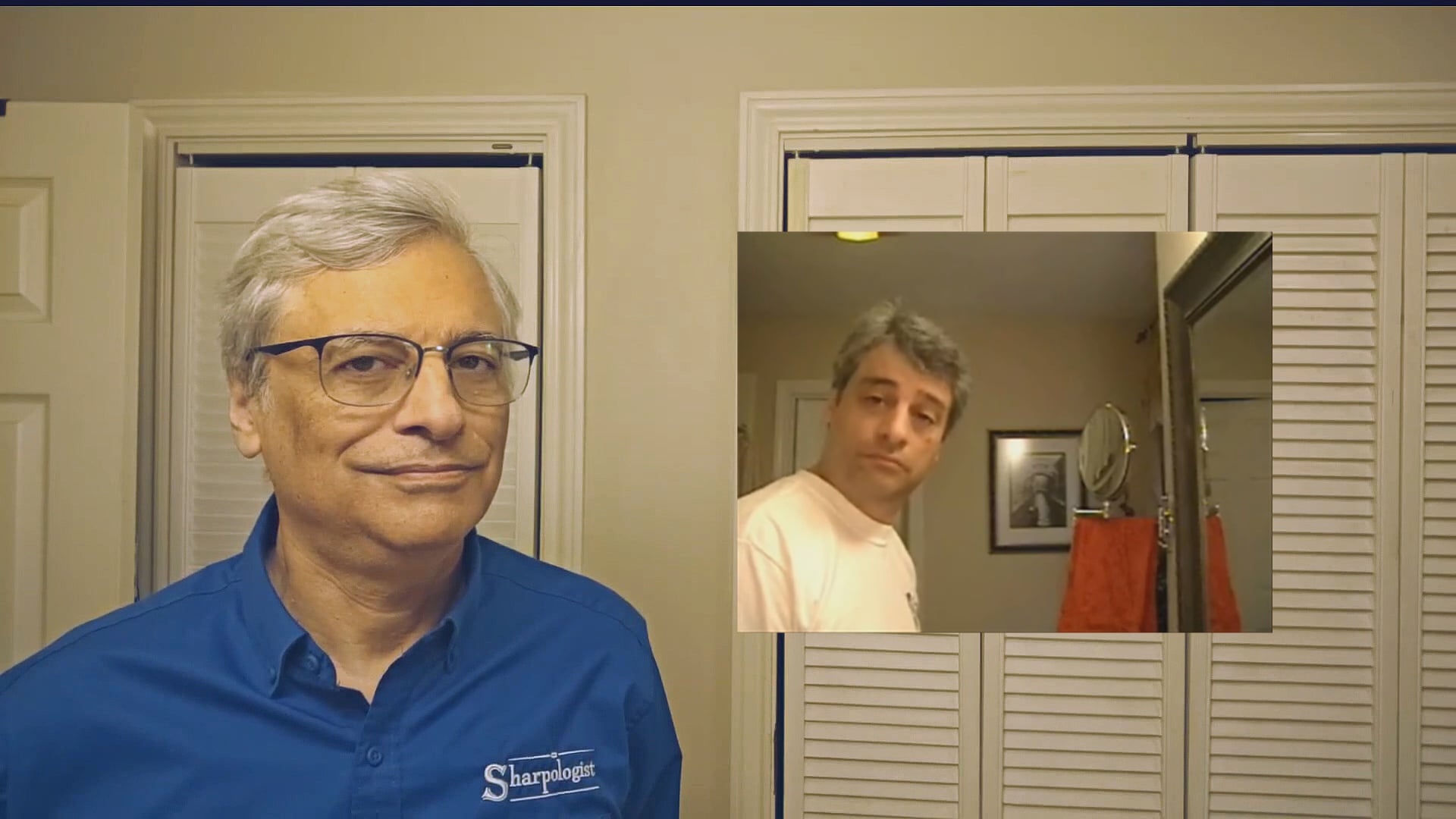
On August 14, 2006, I uploaded the first part of a three-video introduction to traditional wet shaving. The series covered the basic concepts, making lather, and putting everything together for a shave.
Twenty years later, I went back and watched all three videos again. I expected to find plenty of dated products and production choices. I did. What surprised me was how much of the central shaving advice still held up.
The Short Answer
The short answer is that the most important principles survived: customize the shave, learn the direction of your beard growth, reduce the beard in stages, use gentle pressure, build a properly hydrated lather, and know when to stop. The parts that need revision are mostly the period-specific product hierarchy and a few explanations that sounded more certain than the evidence justified. Badger is no longer the automatic upgrade from boar, very hot water is not necessary, cold water does not literally close pores, and persistent irritation should not be treated as the face learning to tolerate blade shaving.
This is not a transcript of the video or another beginner guide. This is an audit of the original advice: what I would keep, what I would qualify, and what I would explain differently today.
The Quick Verdict On The Original Advice
| 2006 advice | My judgment twenty years later | What to do now |
|---|---|---|
| Customize the shave to the individual | Still foundational | Fit products, passes, and closeness to your beard and skin |
| Map the direction of beard growth | Still foundational | Treat grain direction as local, especially around the jaw and neck |
| Reduce the beard in stages | Still foundational | Give each pass a purpose instead of following a required sequence |
| Badger is the natural upgrade from boar | Outdated hierarchy | Judge badger, boar, and synthetic brushes by behavior and preference |
| Use lots and lots of hot water | Needs qualification | Prioritize hydration with comfortably warm water |
| Cold water closes the pores | Retire the explanation | Use a cool rinse for comfort and cleanup, not to seal pores |
| The face must adjust to blade shaving | Reframe | Let the technique adjust and treat persistent irritation as feedback |
| Stop when the result is acceptable | Still excellent | Balance additional closeness against the comfort cost |
The Central Principle Survived: Customize The Shave
The first video argued that traditional wet shaving lets someone “custom tailor” the shave to individual circumstances. That remains the foundation of how I think about shaving and how Sharpologist approaches the subject.
There is no universally best razor, blade, brush, soap, pass count, or direction of travel. Those variables interact with beard density and direction, skin response, available time, desired closeness, and tolerance for repeated passes.
The product conversation is much larger now than it was in 2006. That does not make customization less important. It makes it easier to forget. More choices can create the impression that one purchase will solve every shaving problem, when the better answer is often a combination of product fit and technique.
This is also why experience should change judgment rather than merely produce a longer list of favorites. The useful question is not “What is the best razor?” It is “What does this razor ask of my technique, and does that fit the shave I am trying to get?”
Beard Mapping And Progressive Reduction Aged Exceptionally Well
In the original concepts video, I compared the face to a golf course. Know the lie of the land, recognize the hazards, and shoot for par. The metaphor may be playful, but the mechanism is serious.
“Down” is not automatically with the grain. Beard growth can change direction around the jaw, chin, and neck, sometimes within a surprisingly small area. A pass described as with the grain may be across or even against the grain somewhere else on the face.
That is why beard mapping remains such a useful first step. Look at the growth, feel it from different directions, and record the pattern if necessary.
The second durable idea was this:
“Your goal is beard reduction rather than beard elimination.”
I still consider that one of the most useful sentences in the original series.
A pass should reduce the beard in a defined direction. It should not be another trip around the face simply because a three-pass or four-pass routine says it is time. With-the-grain, across-the-grain, and against-the-grain passes are options. They are not levels that every shaver must complete.
Progressive reduction also explains why repeated strokes can become a problem. Each additional stroke creates another blade contact. If the area has little lather left, or if the remaining stubble does not justify another stroke, the comfort cost may exceed the gain in closeness.
The Old Brush Hierarchy No Longer Explains The Choices
The brush discussion may be the clearest snapshot of 2006.
I presented boar as the inexpensive starting point and badger as the faster, better-performing upgrade. The lathering video then compared an inexpensive boar brush with an inexpensive badger brush and showed the badger producing lather more quickly.
That comparison described those brushes in that demonstration. I would not turn it into a general hierarchy today.
Modern synthetic brushes have expanded the choices considerably. They can be inexpensive, soft, efficient, quick-drying, and consistent. My own preferences changed along with the fibers. As I noted in the Parker Blue Storm synthetic brush review, recent synthetic brushes largely displaced badger brushes in my regular use.
That does not make badger or boar obsolete. Animal-hair brushes have different water behavior, backbone, tip feel, break-in characteristics, and face feel. Some shavers prefer those qualities. The correction is not “synthetic is now best.” The correction is that price and hair type no longer create a dependable upgrade ladder.
One part of the lathering video did age particularly well: judge the lather by its condition, not its size. A useful lather should look hydrated, cohesive, and glossy. It should spread easily and remain stable on the skin. You still do not need to look like Santa Claus.
Water Still Matters, But Temperature Was Overstated
In 2006 I said wet shaving was about “lots and lots of hot water,” followed by cold water to rinse away residue and close the pores.
I would keep the emphasis on water and change the temperature claims.
Water supports beard preparation and lather performance. A dry or poorly hydrated lather cannot provide the same working conditions as one with enough water incorporated into it. But very hot water is not a performance requirement. Comfortably warm water is enough, and general skin-care guidance from the Mayo Clinic recommends warm rather than hot water because prolonged hot-water exposure can contribute to dryness.
The pore explanation also needs correction. Pores do not literally open and close like little doors in response to normal shaving-water temperatures. A cool rinse may feel refreshing, remove remaining lather, and calm the sensation of the shave. It does not seal the pores. As this dermatology explanation of enlarged pores notes, pores lack the muscles needed to open and close; their appearance is influenced by factors such as oil, debris, and the surrounding skin.
The useful principle underneath my old explanation remains sound: preparation matters. Hydrate the beard, use a properly hydrated lather, and give that lather enough contact time to help the shave. There is no prize for using the hottest water you can tolerate.
The Face Does Not Need An Initiation Period
I also told new blade shavers that their faces might need time to adjust. I understand why that explanation felt reasonable. Someone changing from an electric razor or cartridge may initially experience redness, burning, or cuts. After several shaves, the results often improve.
What usually improved was not the face learning to accept punishment. The technique improved.
A learning period is real. Pressure becomes lighter. The razor angle becomes more consistent. The shaver recognizes grain direction, stops repeating strokes unconsciously, and becomes less determined to remove every trace of stubble.
Persistent discomfort should therefore be treated as information, not as an initiation ritual. If redness, burning, or repeated cuts continue, reconsider the variables:
- Pressure
- Razor angle
- Number of strokes
- Pass direction
- Blade condition or blade choice
- Lather hydration
- The closeness being pursued
Change one important variable at a time when possible. Otherwise, a better result provides no clear lesson about what actually helped.
The principle I would teach now is simple: the skill should adjust. The skin should not be expected to surrender.
The Best Instruction May Have Been Knowing When To Stop
The actual shaving video may have aged best of the three.
It recommended gentle pressure, short controlled strokes, lather between passes, and avoiding repeated strokes over the same area. Those points remain useful. So does the warning that an against-the-grain pass is not possible or comfortable for everyone.
But this may have been the most important instruction:
“If it looks and feels acceptable to you, stop! There is no reason to go any further.”
That advice matters because traditional wet shaving can turn closeness into a score. A shaver finishes a comfortable with-the-grain and across-the-grain shave, feels one patch that is not perfectly smooth from every direction, and decides the shave is incomplete.
It may not be incomplete. It may be finished.
An against-the-grain pass can improve closeness, but it also changes the risk of irritation and ingrown hair for some people and in some areas. It is an option, not a graduation requirement. A nearly against-the-grain direction may be a better compromise. In other cases, stopping after two passes is the better decision.
The stopping point is where technique becomes judgment: the beard will grow back, so a presentable, comfortable result is more useful than compulsively chasing a perfectly smooth face.
What Twenty Years Changed, And What They Did Not
Twenty years changed the traditional wet-shaving market substantially. There are more razor designs, more precise manufacturing choices, more artisan soaps, better product access, and an entire category of capable synthetic brushes.
I covered more of that history in My 15 Year Anniversary On YouTube: What Have I Learned?, so I will not repeat it here.
The important distinction is that the products changed more than the face in front of the razor.
Beard growth still varies. Pressure still matters. Repeated blade contact can still create irritation. Lather condition still affects how the razor travels. The closest possible shave is still not automatically the best shave for every person or every day.
More choice gives wet shavers better tools. It also creates more opportunities to mistake shopping for diagnosis. The durable skill is understanding what happened during the shave, identifying the variable most likely to matter, and making a controlled adjustment.
Audit Your Next Shave Using The Surviving Principles
The anniversary is personal, but the useful test belongs in your next shave.
- Confirm the grain direction in each area. Pay particular attention to changes around the jaw and neck.
- Hydrate the beard and lather without relying on extreme heat. Watch how the lather behaves rather than following a water-temperature ritual.
- Use the lightest effective pressure. Let the edge cut without pressing the razor into the skin.
- Give each pass a defined reduction goal. Do not add a pass simply because a routine says it should be there.
- Treat discomfort as information. Reconsider pressure, angle, strokes, direction, blade, or lather instead of waiting for the skin to toughen.
- Stop when more closeness is no longer worth the comfort cost. A comfortable shave that looks presentable is a successful shave.
Looking back, I would change some products, correct some explanations, and remove a few overly confident claims. I would keep the central lesson: learn your own beard, hydrate it, build a useful lather, shave gently, reduce the beard in stages, and know when to stop.
That was the idea twenty years ago. It is still the idea today.
If one of the original three videos helped you learn, or if there is a piece of old wet-shaving advice you now see differently, share it in the comments. Thank you for allowing me to remain part of this conversation for twenty years.
