
The shave is mostly good.
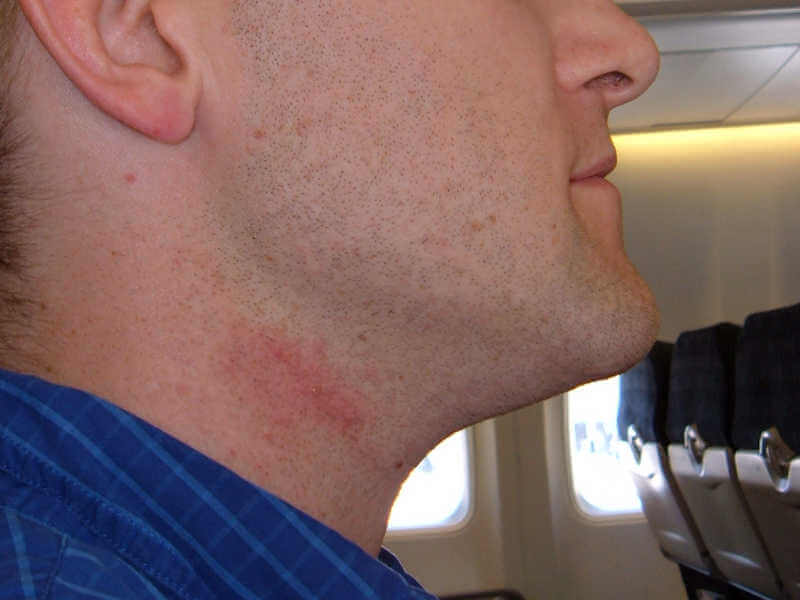
Your cheeks feel fine. The neck is calmer than usual. The overall result looks clean enough in the mirror. Then you find it: one rough spot under the jaw, on the chin, or somewhere along the neck.
Suddenly, the whole shave feels unfinished.
That one area starts to carry more weight than the rest of the result. The shave may look good. It may even feel comfortable overall. But when your fingertip finds that patch of remaining roughness, the instinct is to keep going.
That’s where many otherwise good shaves break down.
The problem is not that rough spots don’t matter. Sometimes they do. The problem is letting one rough spot decide whether the whole shave was successful.
Quick Answer
A single rough spot should not decide the whole shave because it may reflect beard direction, skin contour, growth density, or diminishing returns rather than a failed shave. If the rest of the shave looks good, feels comfortable, and is repeatable, chasing one area can add more irritation than improvement. Evaluate the whole result before adding cleanup work.
The Core Principle: Judge The Whole Shave, Not The Worst Spot
A shave should be judged by the total result, not by the least smooth patch.
That doesn’t mean you should pretend roughness isn’t there. But the rough spot has to be put in proportion. One small area under the jaw does not always outweigh a comfortable face, a clean appearance, and skin that still feels calm after the shave.
A shave can feel unfinished without actually being unsuccessful.
That distinction matters. A rough spot can create the feeling that something still needs to be fixed. But the feeling of incompletion is not the same as a failed shave.
The better question is not “is there any roughness left?” The better question is whether that roughness changes the overall result enough to justify more exposure.
Why One Rough Spot Feels So Important
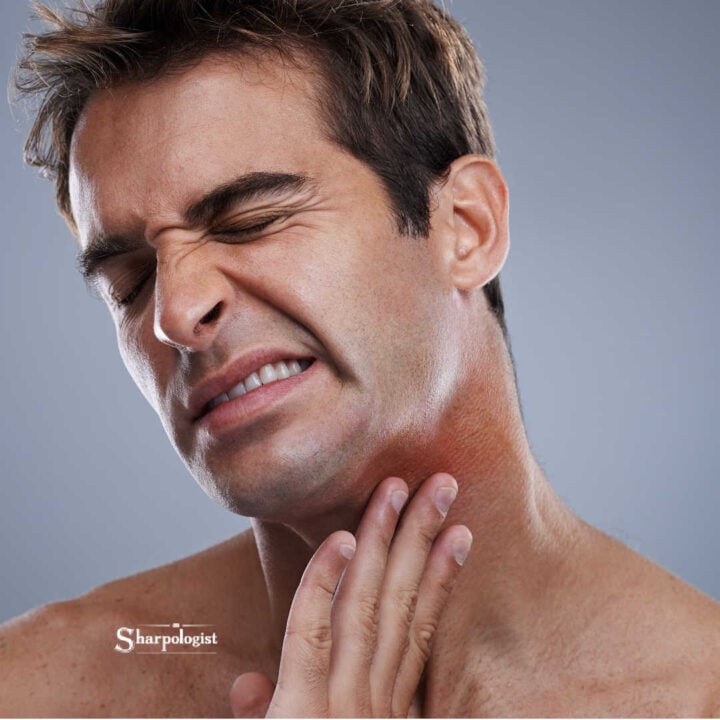
One rough spot feels important because attention narrows once you notice it.
Before you found it, you may have judged the shave as a whole. After you find it, the shave becomes about that one area. The rest of the result fades into the background.
This is especially common immediately after rinsing. You rub a fingertip across the jawline, feel one uneven patch, and start checking it again. The more you check it, the more important it feels.
I have caught myself doing this too: finding one difficult patch after an otherwise good shave and letting that spot decide whether the whole result was acceptable.
Inspection can raise the standard beyond what the shave actually needs to accomplish. A result that looks clean in normal life can start to feel inadequate when judged by repeated fingertip checking against the grain in the bathroom mirror.
This isn’t foolish: it’s a way attention works normally. Once one flaw becomes the focus, it starts to define the whole outcome.
Many shavers judge the whole result by rubbing one difficult area after rinsing. Then they add extra cleanup even when the overall shave is already good. The cleanup pass feels reasonable because the rough spot feels like unfinished business.
Why Some Spots Stay Rougher Than Others
Some areas are simply harder to shave cleanly than others.
Under the jaw, along the neck, around the chin, and near growth swirls, the beard does not always present itself neatly to the blade. Grain direction can change quickly. Skin can move. The surface may be curved, loose, or difficult to stretch consistently.
That means the same pass that works well on the cheek may leave more roughness under the jaw. The problem is not always poor technique. The area may just require a different level of precision, exposure, or direction control.
A recurring rough spot may be a difficult area, not proof that the whole shave or your technique failed.
This is an important distinction. If the same area stays slightly rough after otherwise good shaves, it may be telling you something useful about your beard pattern or skin contour. It does not automatically mean the entire shave needs to be pushed harder.
The mistake is treating every difficult spot as if it should behave like the easiest part of the face.
The Cleanup Pass Tradeoff
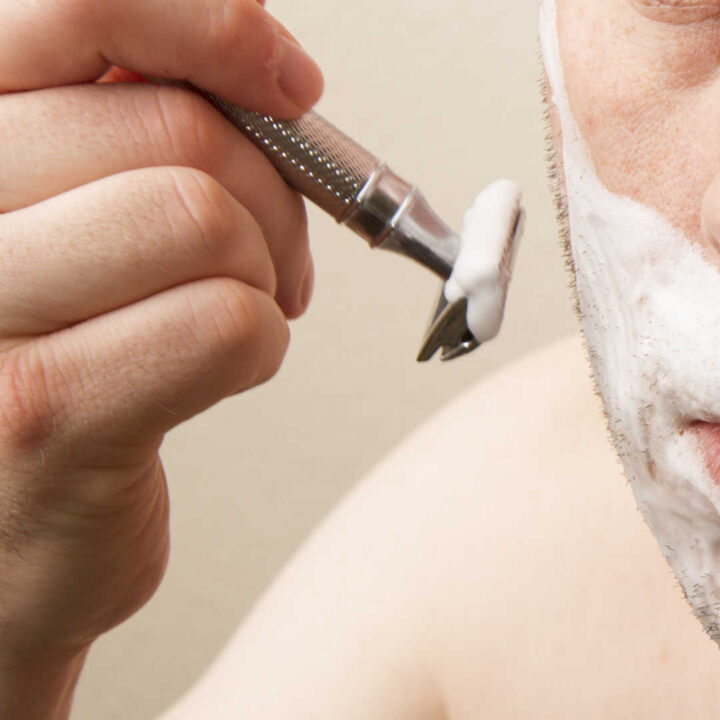
A cleanup pass can help. It can remove remaining stubble, refine a visible area, or make the result feel more complete.
But cleanup work is not free.
Every extra pass adds exposure. It puts the blade back on skin that has already been shaved. Even if the motion feels light, the area has already absorbed pressure, friction, and blade contact from the earlier passes.
That is why the real question isn’t simply, “Can I make this spot smoother?”
The more useful question is, “Is the extra smoothness worth the added exposure?”
This is where many shavers get pulled in. A cleanup pass often feels like a way to remove the discomfort of noticing the rough spot, not just the rough spot itself. You are not only trying to improve the shave. You are trying to relieve the irritation of knowing that one area is not quite right.
That is why “just one more pass” can feel so reasonable: it promises closure. But if the area has already had enough work, that closure may come at the cost of redness, tenderness, or a less repeatable result.
When A Rough Spot Is Worth Fixing
The answer is not to ignore every rough spot.
Sometimes cleanup makes sense. If the area is visibly missed, noticeably uneven, or likely to bother you during the day, a small correction may be worth it.
A rough spot may also be worth addressing when the situation calls for a more polished result. An event, a close-up setting, or a longer time before your next shave may justify a little more refinement than usual.
The important word is “little.”
A useful cleanup pass should be limited, controlled, and specific. It should not turn into repeated buffing, pressure, or a new attempt to chase a perfect result across the whole area.
If one light correction solves the problem without making the skin feel worse, it may be a good decision. If the correction requires repeated effort, the decision changes.
At that point, you are no longer fixing a rough spot. You are chasing it.
When You Should Leave It Alone
You should consider leaving a rough spot alone when it is only noticeable through deliberate checking.
If the area looks fine in normal conditions and only feels rough when you rub against the grain with a fingertip, it may not matter enough to justify more shaving. That is especially true if the area has already had multiple passes.
Skin feedback matters here. If the spot feels warm, tight, tender, or slightly irritated, the cost of more cleanup is already rising. A smoother feel in that one patch may come with a worse whole-shave result.
You should also stop when fixing the area would require pressure, repeated buffing, or angle changes that you would not use elsewhere on your face. Those are signs that the spot is pulling you past the sensible endpoint.
Leaving a minor rough spot alone is not neglect. It is choosing the better whole-shave result.
That can be hard to accept at first because the rough spot still feels like unfinished work. But the goal is not to win a fingertip test in one difficult area. The goal is a shave that looks good, feels good, and can be repeated without overworking the skin.
How Experience Changes Your Judgment
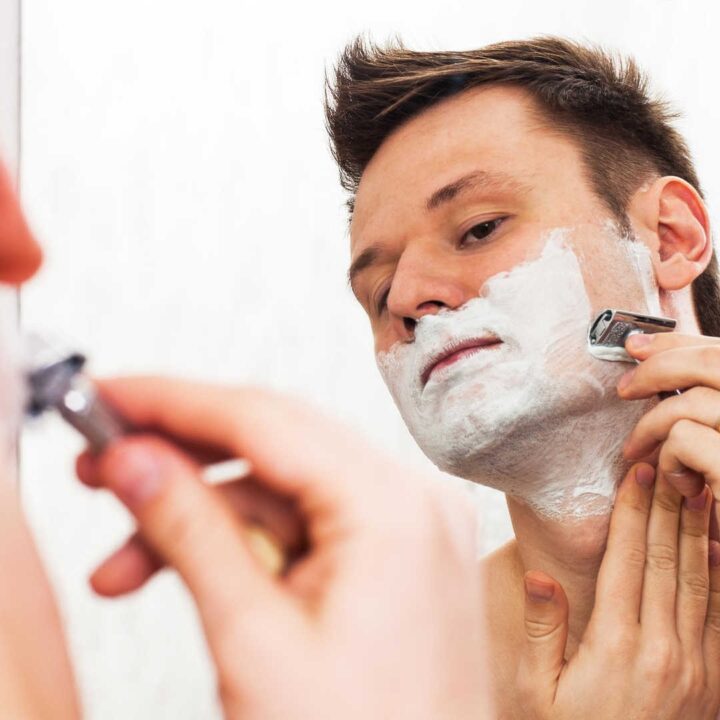
Early shavers often judge the shave by the most noticeable flaw.
That’s understandable. When you’re still building skill, a rough spot feels like clear feedback. It seems to say, “you missed something” or “you need to fix this.”
Developing shavers often become more technical. They learn grain awareness, adjust angles, change razors, experiment with blades, and try to solve every difficult area more precisely. That can improve results, but it can also make the rough spot feel even more important.
Experienced shavers usually make a different shift. They learn to evaluate proportion.
How much better can this spot realistically get? How much exposure will it cost? Will fixing it improve the whole shave, or only satisfy the urge to make one area perfect?
Maturity is not ignoring quality but judging the full result more accurately.
That is one of the quieter changes that happens with experience. The shave is no longer judged only by its least smooth point. It’s judged by the balance of appearance, comfort, repeatability, and skin response.
Practical Correction: Use A Whole-Shave Check
Before adding cleanup, step back from the rough spot and evaluate the whole shave.
Start with appearance. Does the shave look clean in normal light and normal distance, or is the rough area visibly missed?
Then check comfort. Does the skin still feel calm, or is the area already starting to feel warm, tight, or sensitive?
Next, consider exposure. How much work has that spot already received? If it has already had the main passes plus some attention, more shaving may add more risk than benefit.
Finally, ask what the correction would actually accomplish. Would it improve the whole shave, or would it only satisfy the urge to make one small area perfect?
That last question is the important one.
If the whole shave is good and the rough spot is minor, stop. If the rough spot is visible, uncomfortable, or easily corrected with one light pass, fix it deliberately and then stop.
The whole-shave check gives you a better standard than the roughest spot on your face.
Conclusion
One rough spot should not decide the whole shave.
It may deserve attention. It may even be worth fixing. But it should not automatically redefine a good result as a failed one.
A shave is better judged by the full outcome: appearance, comfort, repeatability, and skin response. One difficult area matters only in relation to that larger result.
Knowing when not to chase one rough spot is not lowering your standards. It is one of the clearest signs that your judgment has improved.
