


Most discussions about improving your shave focus on the usual suspects: sharper blades, better lather, more precise technique. And while those things absolutely matter, they overlook something far more foundational: the condition of the skin itself.
Shaving is not just grooming. It’s a controlled form of mechanical stress placed on your face several times a week. Every pass of a razor removes hair, but it also disrupts the outermost layer of skin. When that layer is healthy and resilient, shaving feels smooth and predictable. When it’s compromised, even the best gear can leave you dealing with irritation, redness, or that tight, dry feeling that shows up hours later.
Understanding skin barrier health might be one of the most underrated upgrades a wet shaver can make.
What Actually Happens to Your Skin When You Shave
Even a perfect shave creates tiny disruptions at the surface of the skin. The razor edge glides across the face, removing not only hair but also a thin layer of natural oils that help maintain balance.
This process can lead to:
- Micro-abrasions that increase sensitivity
- Temporary moisture loss as water evaporates after rinsing
- Reduced surface lipids, which normally help protect the skin
For some men, these effects are barely noticeable. For others, especially those who shave frequently, they can accumulate over time. The result isn’t always immediate razor burn. Sometimes it shows up as subtle dryness, dullness, or increasing reactivity to products that used to feel fine.
In other words, shaving doesn’t just test your equipment, it tests your skin’s resilience.
Understanding the Skin Barrier (Without the Dermatology Lecture)
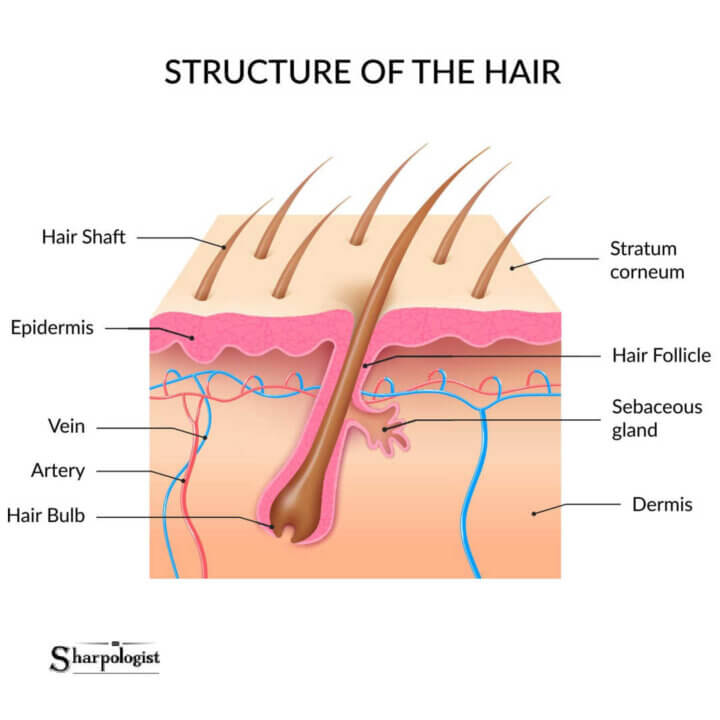
The “skin barrier” sounds like a technical term, but the idea is simple. The outermost layer of skin works like a protective seal, helping keep moisture in while shielding against environmental stress. Think of it like conditioning leather. When leather dries out, it becomes stiff and prone to cracking. When properly conditioned, it stays flexible and durable. Your skin behaves in a surprisingly similar way.
A healthy barrier relies on a balance of moisture and lipids – the natural fats that help maintain flexibility and comfort. When that balance gets disrupted repeatedly, shaving can start to feel harsher than it should.
Signs your barrier might be under strain include:
- Persistent tightness after shaving
- Increased sensitivity to fragrance or alcohol-based products
- Redness that appears hours after the shave rather than during it
None of these issues necessarily mean you need to change razors. Sometimes the missing piece is simply better support for the skin between shaves.
Why Traditional Grooming Paid More Attention to Skin Protection
Modern grooming conversations often revolve around performance ingredients and advanced formulations. But historically, many grooming products were surprisingly simple.
Traditional balms and soaps frequently relied on fats and oils that helped protect skin during harsh conditions. Long before multi-step routines became common, barbers understood that maintaining the skin’s natural balance was essential for consistent shaves.
These older approaches weren’t based on marketing trends, they were based on practicality. Fewer ingredients meant fewer variables, and the focus stayed on maintaining comfort rather than chasing dramatic results.
While modern technology has certainly improved grooming products in many ways, there’s growing interest in revisiting some of these older principles.
Modern Minimalist Skincare and the Return of Traditional Lipids

In recent years, some men have begun moving away from complex ingredient lists and heavily fragranced products in favor of simpler formulations. The idea isn’t to reject innovation, but to reduce unnecessary variables that can irritate already stressed skin.
Minimalist skincare often emphasizes:
- Consistent hydration
- Support for the skin’s natural oils
- Fewer potential irritants
For wet shavers, this shift can be especially relevant. Shaving already challenges the skin barrier, so overly aggressive products between shaves may compound the problem rather than solve it.
One area that has gained attention is the use of traditional lipid-rich ingredients – substances that mimic or complement the skin’s natural composition.
Beef Tallow as a Case Study: Why Some Shavers Use It
Among these traditional ingredients, beef tallow has quietly reappeared in certain corners of men’s grooming. Rendered animal fat might sound old-fashioned, but historically it was a common component in soaps and balms.
Advocates point to a few practical characteristics:
- A rich lipid profile that helps reduce moisture loss
- A dense, protective feel without relying on heavy synthetic additives
- A minimalist formulation philosophy
It’s important to keep expectations realistic. Beef tallow isn’t a miracle solution, and it won’t replace good technique or proper shaving preparation. But for some men, especially those with dry or easily irritated skin, it represents a functional alternative to more complex products.
Some small grooming brands are exploring this traditional approach again, focusing on simplicity and barrier support rather than long ingredient lists. For example, certain companies centered around beef tallow skincare for men emphasize minimalist formulations designed to complement traditional shaving routines rather than compete with them.
The key takeaway isn’t that one ingredient works for everyone, it’s that understanding how lipids interact with the skin barrier can open the door to more comfortable shaves.
Signs Your Skin Barrier Might Be Holding Back Your Shave
If your technique and equipment are solid but irritation still shows up, it might be worth evaluating the condition of your skin rather than your razor.
Common indicators include:
- A shave that feels smooth at first but turns red later in the day
- Increased sensitivity despite using mild soaps or creams
- Flaky or rough patches around the beard area
- A feeling of dryness even after applying traditional aftershave
These issues often develop gradually, making them easy to overlook. But improving barrier health can sometimes make more difference than switching blades or chasing the latest shaving gadget.
Simple Ways to Support Skin Between Shaves
You don’t need a complicated routine to support healthier skin. In fact, simplicity is often more effective.
Consider these habits:
Give your skin recovery time.
Daily aggressive shaves can compound irritation. Adjust frequency if your skin feels consistently stressed.
Limit unnecessary exfoliation.
Shaving already removes surface cells. Adding scrubs or strong acids too frequently may disrupt recovery.
Choose lower-fragrance products.
Highly scented formulas can feel refreshing but may increase sensitivity over time for some users.
Use consistent moisturizing.
Whether you prefer modern lotions or traditional grass-fed beef tallow balms, maintaining hydration between shaves helps keep the skin flexible.
The goal isn’t to overhaul your routine – it’s to reduce friction wherever possible so your skin stays resilient.
Why Better Skin Makes Every Razor Feel Better
Wet shaving often encourages experimentation: new blades, new soaps, new techniques. That experimentation is part of the fun. But sometimes the biggest improvement doesn’t come from upgrading gear – it comes from improving the foundation underneath it.
When the skin barrier is healthy:
- The razor glides more smoothly
- Post-shave tightness decreases
- Minor imperfections in technique become less noticeable
In other words, healthier skin amplifies everything else you’re already doing right.
A Better Shave Isn’t Always About Better Equipment
The pursuit of the perfect shave can lead us down an endless path of new tools and products. Yet the most overlooked factor may be the simplest one: how well your skin is prepared to handle the process in the first place.
Supporting the skin barrier doesn’t require abandoning traditional shaving methods or adopting complicated routines. Sometimes it’s about returning to fundamentals – consistent care, thoughtful product choices and traditional, time-tested ingredients like grass-fed beef tallow.
For many men, focusing on barrier health turns shaving from a daily challenge into a predictable, comfortable ritual. And once you experience that difference, you may start to realize that the best upgrade wasn’t a sharper blade – it was healthier skin all along.
